
Hastings planning battle highlights national tensions between Government housebuilding drive and protection of nature
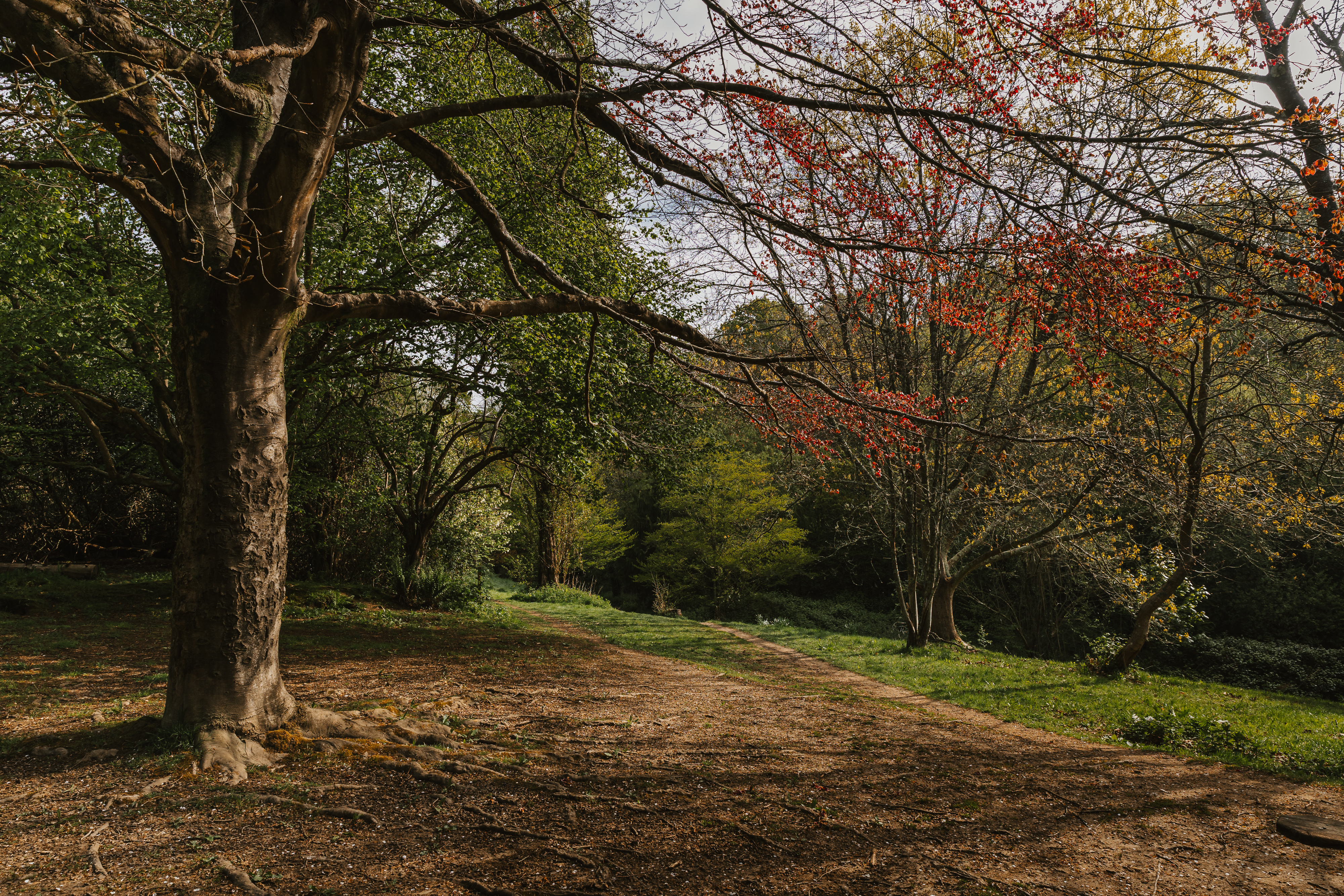
The reserve is widely recognised as one of the town's most important wildlife habitats
A charity responsible for protecting one of East Sussex's most important Local Nature Reserves has warned that a proposed housing development in Hastings illustrates the growing tension between the Government's drive to accelerate housebuilding and its commitment to protect and restore nature.
The St. Helen's Park Preservation Society is calling on Hastings Borough Council to remove the proposed ‘Sandrock Bends’ development site from the latest draft of its Local Plan, due to be published on August 10th. This outlines which sites should remain under consideration for future development.
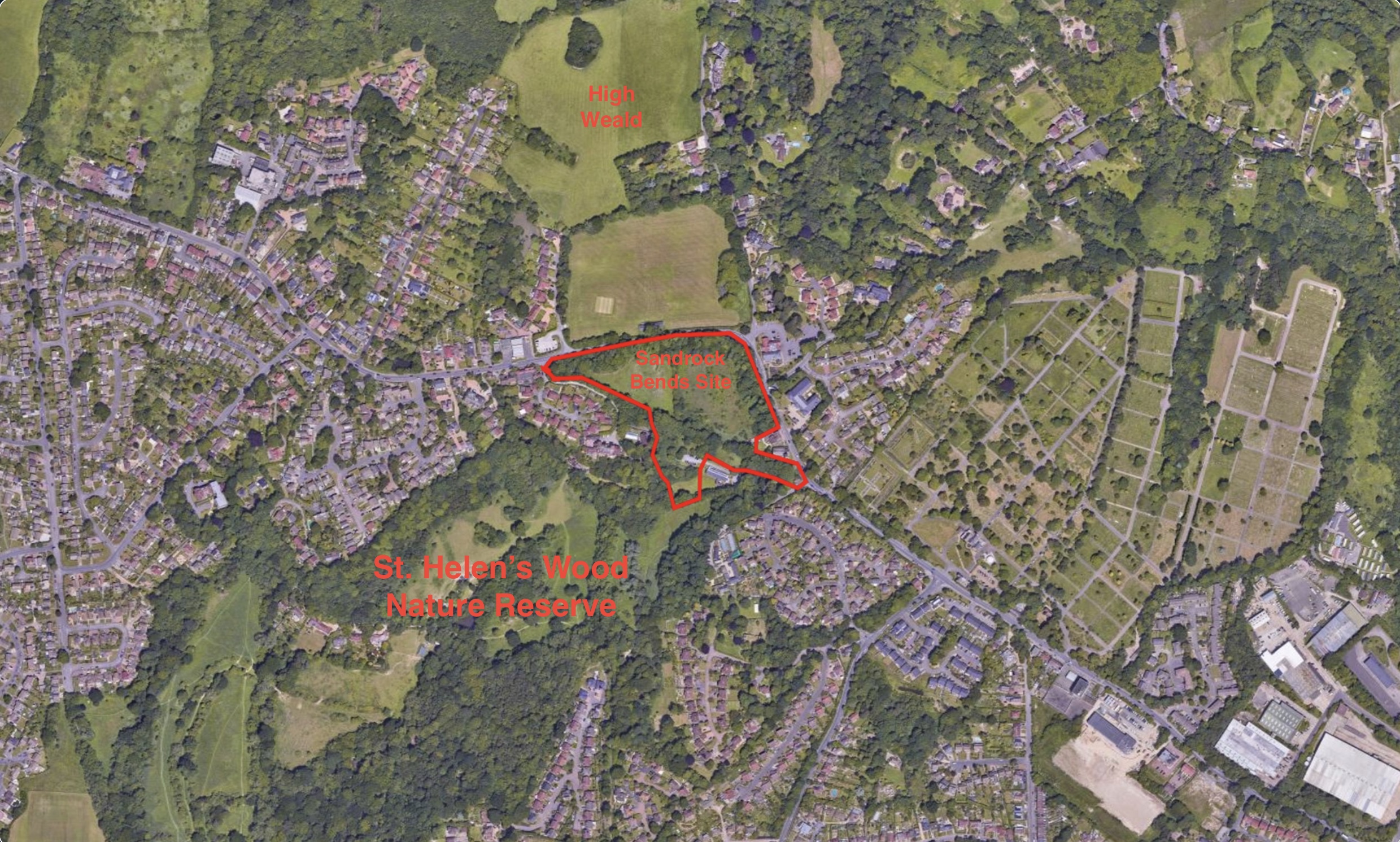
The Sandrock Bends site lies immediately adjacent to the St. Helen’s Woods Nature Reserve. The Society says independent ecological and hydrological experts it commissioned concluded that development on the site could have significant impacts on the woodland's protected habitats and water systems. Previous proposals for the site attracted concerns from East Sussex County Council's own ecologist regarding its environmental suitability.
The Society believes the case has significance far beyond Hastings. It argues that councils across England are facing increasing pressure to identify land for housing following the Government's planning reforms, including the restoration of mandatory housing targets, proposed changes to the National Planning Policy Framework (NPPF) and wider commitments to deliver 1.5 million new homes during this Parliament. While the Society recognises the urgent need for new housing, it says these policies are placing environmentally sensitive sites under increasing pressure.
The charity says it is experiencing the practical consequences of those policies on the ground. St. Helen's Woods, a 106-acre Local Nature Reserve, was largely gifted to the people of Hastings by philanthropist Isabel Blackman in the 1950s and is managed by the Society. The reserve is widely recognised as one of the town's most important wildlife habitats and provides public access to nature for thousands of residents each year.
Almost 1,000 objections were submitted last year during consultation on outline planning permission for Sandrock Bends.
The Society says the debate reflects a wider national question about whether the Government's ambitions for economic growth and housing delivery can be achieved without weakening protections for the natural environment.
Chair of the St. Helen's Park Preservation Society said:
"No one disputes that Britain needs more homes. The question is where those homes should be built and what we are prepared to lose in the process.
"We are seeing first-hand how nationally driven housing targets are filtering down into local planning decisions, placing increasing pressure on sites that communities have spent generations protecting. Once habitats like these are damaged, they cannot simply be recreated elsewhere."
The Society notes that the Government has also committed to legally binding targets to halt the decline of species, improve access to nature and support biodiversity recovery. It believes the Hastings case demonstrates the challenge of reconciling those environmental commitments with the pace of planned housing delivery.
In addition to ecological concerns, campaigners argue that development at Sandrock Bends would increase congestion on a major single lane road in Hastings - The Ridge, add pressure to already stretched public services and disrupt access to the Conquest Hospital. However, the Society says its principal concern is safeguarding an irreplaceable Local Nature Reserve for future generations.
A spokesperson for the Society said:
"This is exactly the kind of decision that many charities and community organisations are now facing across the country. We support the delivery of genuinely sustainable housing, but we question whether current planning policy is creating sufficient protection for sites that have long been recognised as environmentally important. The Sandrock Bends case should serve as a test of whether nature recovery and housebuilding can genuinely be delivered together, or whether one objective is increasingly coming at the expense of the other."
The St. Helen's Park Preservation Society is urging Hastings Borough Council to remove Sandrock Bends from the Local Plan and is calling on ministers to ensure that planning reforms provide stronger safeguards for irreplaceable habitats and designated green spaces.
Further information, supporting evidence and independent expert reports are available from the St. Helen's Park Preservation Society and the Hastings Borough Council Planning Portal.
Press contact/further info via https://www.sthelenswoods.co.uk/
Press release distributed by Pressat on behalf of St. Helen's Park Preservation Society, on Friday 31 July, 2026. For more information subscribe and follow https://pressat.co.uk/
Charities & non-profits Construction & Property Environment & Nature Government Home & Garden Leisure & Hobbies Opinion Article Public Sector & Legal Travel & Tourism
Published By
[email protected]
www.sthelenswoods.co.uk
Christine Aitken, Chair of the St. Helen's Park Preservation Society [email protected]
Visit Newsroom


You just read:
Hastings planning battle highlights national tensions between Government housebuilding drive and protection of nature
News from this source: