
Cochrane’s Latest Review Signals the End of an Era in Alzheimer’s Research
Why BCM‑95® Curcumin Deserves Attention?
Decades of Alzheimer’s research has been dominated by one idea: Amyloid‑beta is the cause, and clearing it is the cure. Now, the world’s most trusted evidence authority has delivered a verdict that editors and policymakers cannot ignore. Thirty years of drug development may have been aimed at the wrong target. The Cochrane review concludes that future research on disease‐modifying treatments for Alzheimer’s disease should focus on other mechanisms of action.
COVID has Raised the Stakes because strong emerging data show that COVID infection itself increases the risk of developing Alzheimer’s disease and other dementias. Yet there are no approved treatments to address this heightened risk. This leaves millions of people, especially middle‑aged adults, exposed to a silent, long‑tail consequence of the pandemic.
A New Scientific Consensus Is Forming:
Endothelial dysfunction and mitochondrial dysfunction are now recognised as major upstream drivers of Alzheimer’s disease. Cardiometabolic conditions such as hypertension, diabetes, and obesity are closely linked to endothelial dysfunction and are established risk factors for Alzheimer’s disease. This is why mitochondria‑targeted therapies hold promise for restoring endothelial function and slowing vascular ageing.
Therapeutically, this opens the door to multi‑pathway interventions that restore mitochondrial health, reduce inflammation, and support neuronal resilience.
This is the direction Cochrane is now pointing toward because a large‑scale, data‑driven systematic review of prescription records from 130 million people, reported by the Alzheimer’s Association, found that antimicrobials, routine vaccinations, and anti‑inflammatory drugs are associated with a significantly reduced risk of dementia.
In the age of information overload, high‑level evidence is the signal, everything else is noise.
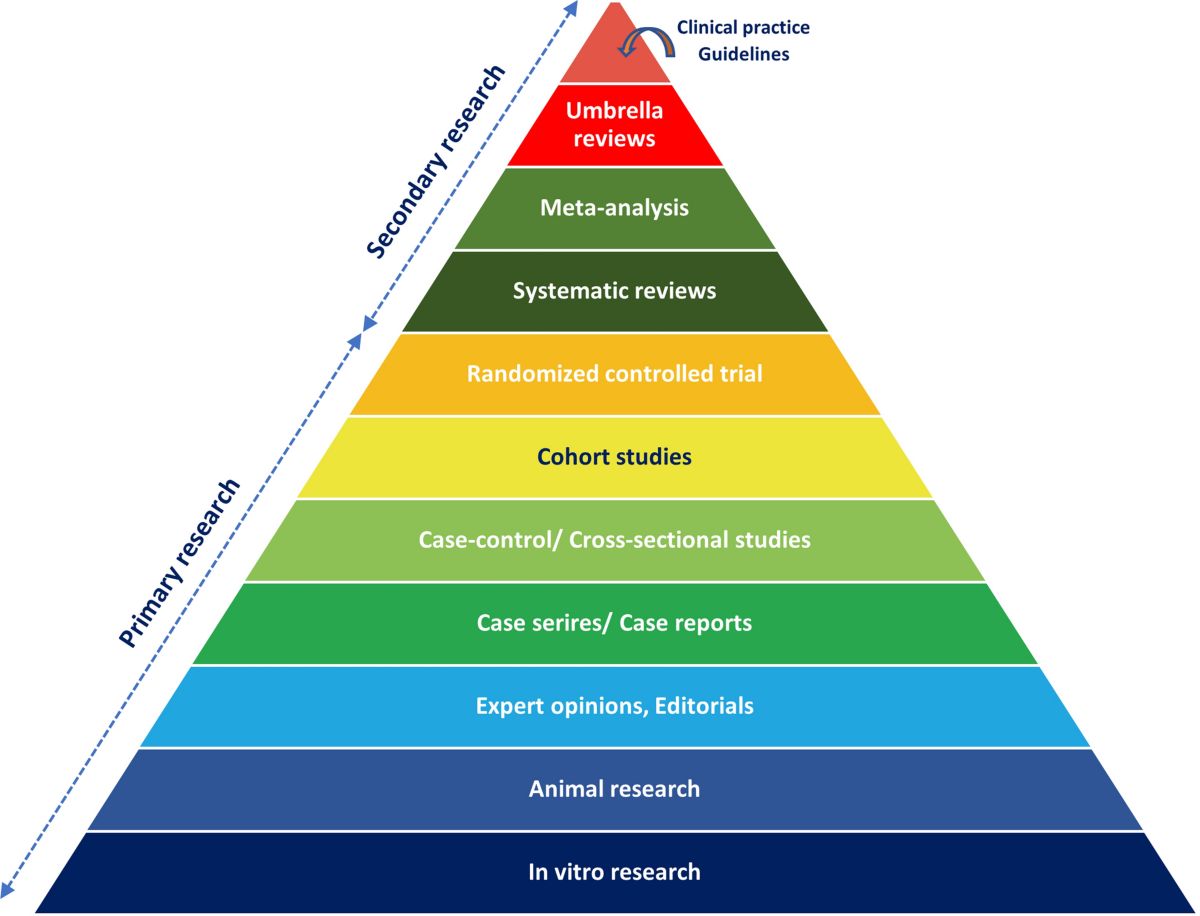
Modern medicine is drowning in information, which makes high‑level evidence more important than ever. Systematic, reproducible research is what keeps clinical decisions safe, effective, and scalable.
At the top of that hierarchy sit umbrella reviews and systematic reviews, the data policymakers, regulators, and health editors rely on to cut through noise, bias, and industry spin. In a world full of bold claims and shaky data, umbrella reviews are as close as we get to scientific truth.
Multiple umbrella reviews now confirm curcumin delivers multi‑pathway benefits across metabolic, vascular, and inflammatory systems.
Across Umbrella reviews, systematic reviews, meta‑analyses, and mechanistic syntheses, the key takeaway is that ‘’bioavailability-enhanced curcumin’’ consistently demonstrates benefits across the very pathways now recognised as central to Alzheimer’s risk.
- A comprehensive umbrella review and meta‑analysis of 61 randomized controlled trials demonstrates that bioavailability‑enhanced curcumin produces significant improvements in metabolic‑syndrome parameters.
- Another comprehensive umbrella review of 39 randomized controlled trials reports that curcumin supplementation significantly reduces key anthropometric indices, with bioavailability‑enhanced formulations showing superior effectiveness.
- Another Umbrella‑level evidence from 39 randomized controlled trials shows curcumin improves lipid profiles in people with noncommunicable diseases. Enhanced‑bioavailability formulas work best, and an 8‑week course alongside exercise provides a practical route to better lipid metabolism.
- Another umbrella meta‑analysis of 10 studies examining curcumin supplementation in patients with metabolic disorders reports that curcumin significantly improves endothelial function and may serve as a useful therapeutic adjunct.
- Another comprehensive systematic review and meta‑analysis of 32 randomized trials provide consistent evidence that curcumin supplementation reduces inflammatory markers, while underscoring the need for further research to optimise dosing, treatment duration, and bioavailable formulations in chronic inflammation.
- Furthermore, a systematic review and meta‑analysis of randomized controlled trials shows that bioavailability‑enhanced curcumin supplementation can significantly improve global cognitive function.
This positions highly bioavailable formulations as a serious candidate for preventive research in the post‑Cochrane landscape.
Why BCM‑95® Curcumin Deserves Attention?
With more than 70 clinical trials completed, including gold‑standard evidence published in the Cochrane Library for its anti‑inflammatory effects, BCM‑95®, a highly bioavailable 100% turmeric extract, is now being tested in a major three‑year clinical trial to determine whether it is precisely the kind of intervention Cochrane’s findings now call for.
Scientists, clinicians, and policymakers must urgently reassess how Alzheimer’s disease is prevented and treated. The Cochrane review is not just another publication; it is a line in the sand. With post‑COVID dementia risk rising and no approved preventive treatments available, the public deserves clear reporting on where the science now points: toward metabolic, mitochondrial, and inflammatory mechanisms, and away from the failed amyloid‑beta paradigm.
This is a moment for journalists to inform, and for policymakers to lead. Peer‑reviewed data published in Nature ranked curcumin second only to exercise after analysing large‑scale gene‑expression data from more than 250 theoretical Alzheimer’s treatments, a signal too strong to ignore.
About IIY
IIY Phytoventra Ltd (formerly known as BioTurm Limited), trading as IIY [Invest in Yourself], is a Premium natural supplements brand centred on quality, clarity, and thoughtful everyday wellbeing choices. Through its product range and consumer information, the company aims to offer clearly presented ingredient details, directions for use, and accessible guidance to help people choose supplements with greater confidence and care.
Website: www.iiypv.com
Media enquiries: [email protected]
Food supplements should not be used as a substitute for a varied, balanced diet and a healthy lifestyle. This product is not intended to diagnose, treat, cure, or prevent any disease.
Press release distributed by Pressat on behalf of IIY PHYTOVENTRA LTD, on Thursday 14 May, 2026. For more information subscribe and follow https://pressat.co.uk/
Alzheimer’S Prevention Dementia Risk Reduction Metabolic Health And Brain Ageing Curcumin Clinical Evidence BCM‑95 Turmeric Extract Coronavirus (COVID-19) Government Health Medical & Pharmaceutical Men's Interest Opinion Article


You just read:
Cochrane’s Latest Review Signals the End of an Era in Alzheimer’s Research
News from this source: