
People with Dementia Locked Out of Music They Love as Major Record Labels Back New Charter
For too many people living with dementia, barriers to accessing music mean they miss out on something that could make a real difference to their lives
Universal Music Group and the BPI join researchers and campaigners to tackle barriers stopping people with dementia accessing the music they love.
Hundreds of thousands of people living with dementia are being locked out of the music that can help unlock memories, reduce distress and reconnect them with loved ones because modern streaming platforms and devices are too complex to use, researchers and campaigners warn.
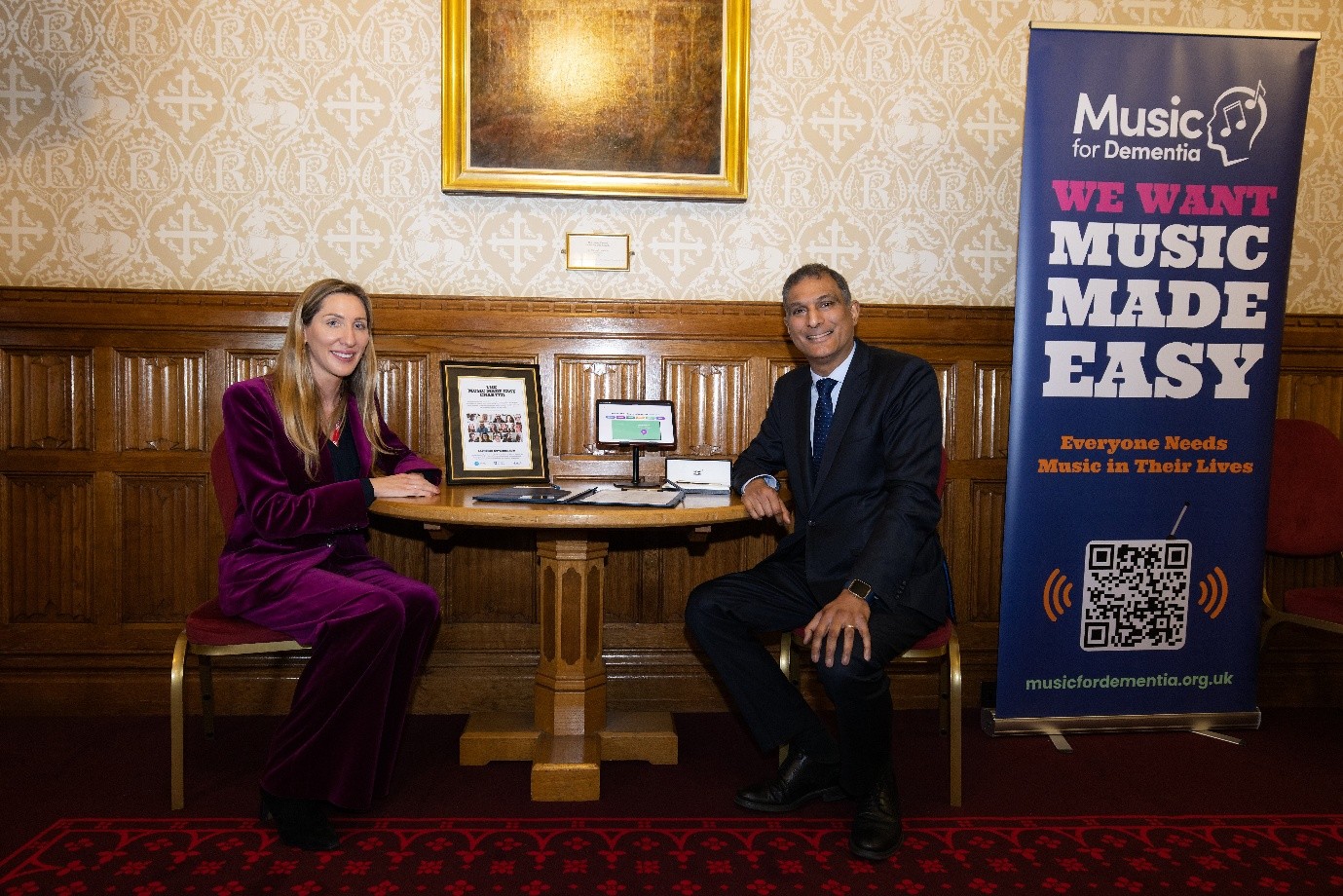
To tackle this growing digital divide, the charity Music for Dementia and researchers at the University of Sheffield launched the Music Made Easy Charter at the House of Lords, bringing together some of the world's biggest music companies, technology innovators and people with lived experience of dementia to sign the charter.
The launch unites major industry players including Universal Music Group, Warner Music Group, the British Phonographic Industry (BPI), the Entertainment Retailers Association (ERA), Yoto and music med tech company MediMusic in a shared ambition to make music more accessible to people living with dementia.
Research from Music for Dementia and Age UK highlights the scale of the exclusion:
- Only 3 in 10 older family carers are able to stream music with their loved one.
- 6 in 10 internet users aged 65 and over never use the internet to stream music or video.
- With 940,000 people currently living with dementia in the UK, a figure projected to rise to 1.5 million by 2040, the need for accessible solutions is growing.
The launch follows a year of collaboration between the music industry, technology companies, researchers and dementia campaigners.
The discussions highlighted a growing problem: while streaming has revolutionised how we listen to music, complicated apps, subscription services and difficult-to-use devices are leaving many older people and those living with dementia unable to access the music they love.
Making Music Easier to Access
As part of its Music Made Easy campaign, Music for Dementia has developed m4dRADIO, a free online radio station designed for people living with dementia and those who support them.
Featuring music grouped by decade from the 1940s to the 1980s, it offers an easy way to enjoy familiar songs that can spark memories, lift moods and encourage connection. With no adverts, news or spoken interruptions, listeners can enjoy uninterrupted music for free, 24 hours a day.
A dedicated MIX channel also features themed playlists for group listening and activities, helping care staff use and embed music to support reminiscence and engagement in everyday residential care life.
While evidence shows that familiar music can help alleviate agitation and distress, evoke memories, reinforce a sense of identity and reconnect people living with dementia with their loved ones, the rapid shift towards touchscreen apps and subscription streaming has created unintended barriers.
In a recent trial conducted by Music for Dementia, 92% of participating families said they would recommend screen-free music devices for older adults.
Turning Industry Pledges into Action
Developed by the Music Made Easy Taskforce, convened by Music for Dementia and the University of Sheffield's Muses, Mind, Machine research centre, the Charter calls on the music and technology industries to remove the barriers preventing people living with dementia from enjoying personalised music.
Organisations signed the Charter to commit to supporting its principles and taking meaningful steps within their areas of influence, with signatories invited to share at least one action taken within 12 months.
These actions could include developing simpler music-playing technology, co-designing accessible products with people living with dementia, improving awareness, and working with rights holders and streaming platforms to simplify licensing and account arrangements in care settings.
Amy Shackleton, CEO of Music for Dementia, whose grandparents lived with dementia, said:
“For too many people living with dementia, barriers to accessing music mean they miss out on something that could make a real difference to their everyday lives.
“Over the past year, we’ve brought together influential organisations from across the music industry, technology, health and social care, united by a shared ambition to break down those barriers and make music more accessible to people living with dementia.
“Signing the Charter is an important milestone, but it’s also the beginning of the next chapter. Crucially, this Charter has been shaped by the voices and lived experiences of people with dementia themselves.
“We now have an opportunity and a responsibility to turn our shared commitments into meaningful action, so that more people can experience the joy and connection that music brings.”
Lord Syed Kamall, who hosted the House of Lords reception, said:
“Music has an extraordinary ability to connect people, evoke memories and enhance wellbeing, particularly for those living with dementia.
“I’m delighted to have hosted the Music Made Easy Taskforce at the House of Lords to mark the signing of this important Charter. It’s an encouraging step forward to see leading organisations across these sectors commit to meaningful action.”
Co-Designing Technology with People Living with Dementia
The Charter is underpinned by research from the University of Sheffield's Muses, Mind, Machine research centre and the EPSRC-funded BRIDGES for Dementia Network.
Led by Dr Jennifer MacRitchie, researchers are working directly alongside people living with dementia to co-design musical technology, from simplified playback devices to intuitive tools that enable people experiencing cognitive decline to improvise and create new music.
The Taskforce has also brought together people with lived experience, families, carers, music industry representatives and technology innovators to identify practical changes that can improve access to personalised music.
Howard Gordon, Advisor from the BRIDGES for Dementia Network and Co-Chair of Deepness Dementia Media Ltd, said:
“True co-production starts with a plain piece of paper. People living with dementia should drive the design of new products from the start. They know what is needed better than anyone. They are rights holders and human beings and shouldn’t be defined by their diagnosis.”
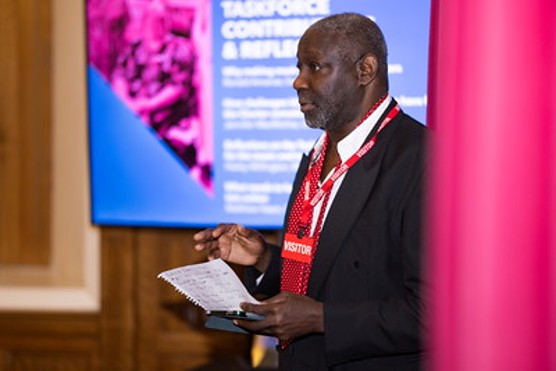
Ronald Amanze, producer, musician, Taskforce member and a person with lived experience of dementia, who earlier went to speak on the Today programme, said:
“My hope is that the Music Made Easy Charter will not simply improve access to music but also help create new opportunities for people living with dementia to remain creative, visible, valued and economically active through the creative industries.”
Hailey Willington, Head of Diversity, Equity and Inclusion at the BPI, noted during the Taskforce's formation:
“Music should be accessible to all, and by working together, we can redefine what accessible music technology looks like and ensure that it can serve everyone, not just digital natives.”
Karim Fanous, Director, Innovation and New Digital Business, Global Digital Strategy at Universal Music Group, previously highlighted the sector's strategic alignment:
“Music for wellness and health is a vital area in our search for startups and support of entrepreneurial innovation that might add value to music and society. Music for Dementia and the University of Sheffield are initiating an important multi-stakeholder project which we will be honoured to support alongside UMG Health and Wellness.”
The Music Made Easy Taskforce
- Boomer + Beyond Research
- BPI (British Phonographic Industry)
- Compass, Map and Key
- Entertainment Retailers Association (ERA)
- Lived Experience Advisors
- MediMusic
- Miquido
- Music for Dementia
- Soule/Tinker
- Universal Music Group
- University of Sheffield (Muses, Mind, Machine)
- Warner Music Group
- Yoto
Music for Dementia and the Taskforce are inviting record labels, digital streaming platforms, publishers, hardware manufacturers, live event promoters and music technology companies across the UK and beyond to support the Charter.
To read the Music Made Easy Charter in full and find out how to participate, visit https://www.musicfordementia.org.uk/music-made-easy.
Press release distributed by Pressat on behalf of Music for Dementia, on Wednesday 25 November, 2026. For more information subscribe and follow https://pressat.co.uk/
Dementia Alzheimer's Music Technology Design Accessibility Charities & non-profits Consumer Technology Entertainment & Arts Health



You just read:
People with Dementia Locked Out of Music They Love as Major Record Labels Back New Charter
News from this source: