
Parents urged not to panic about late nights as World Cup fever grips young football fans
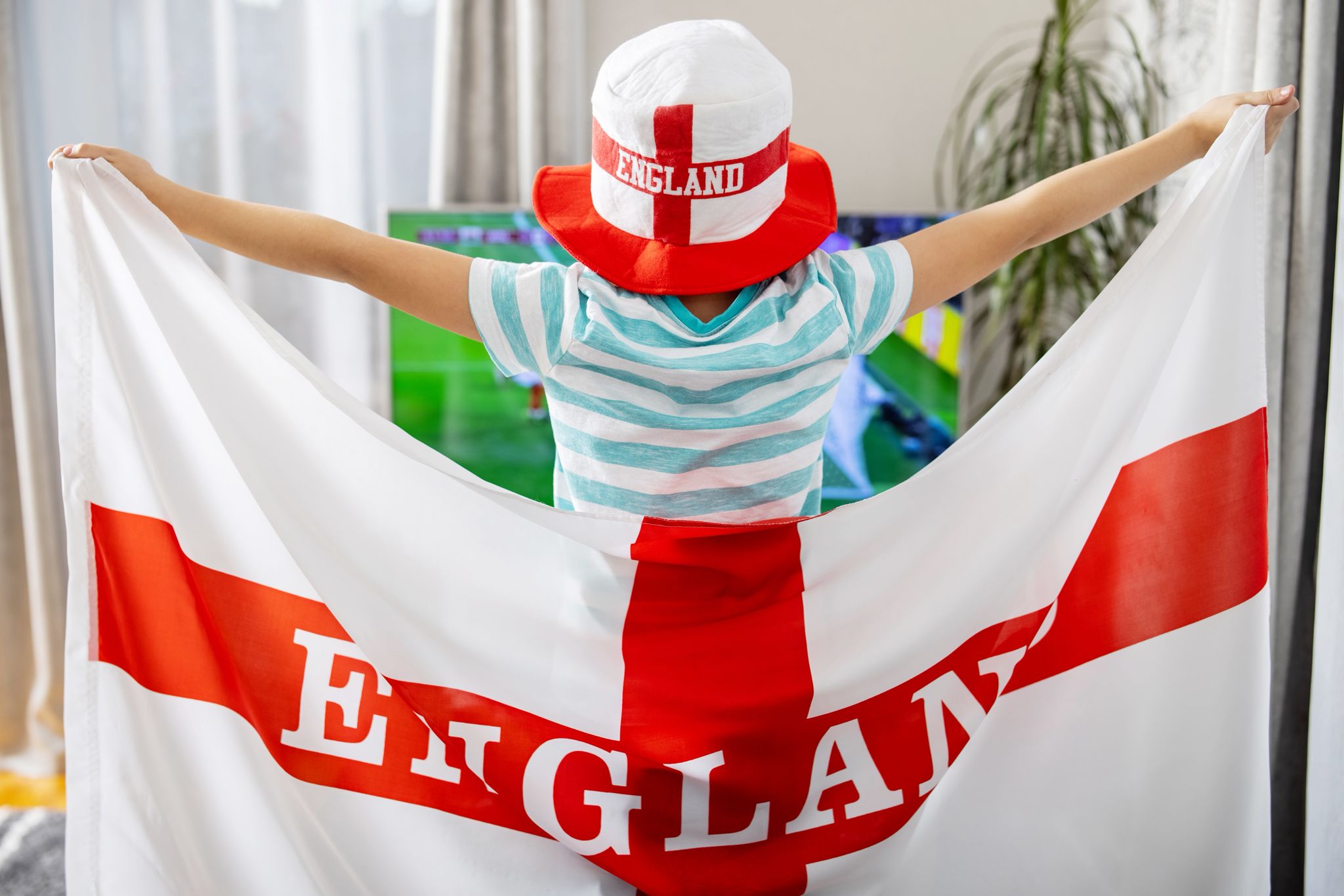
With the 2026 FIFA World Cup in full swing, many parents are facing the same dilemma: stick to strict bedtimes or let their children stay up to watch England's biggest matches.
While concerns about disrupted sleep are understandable, sleep expert Kerry Davies, known as 'The Sleep Fixer', says the odd late night is unlikely to cause lasting problems.
Partnering with wellbeing platform Super Chill, Kerry is encouraging parents to focus less on the clock and more on helping children regulate their emotions in the build up to the game and after the final whistle.
"Football is exciting, emotional and full of big moments," says Kerry. "For many families, these tournaments create memories that children will remember for years. The odd late night isn't going to break their sleep forever."
However, Kerry says parents should be mindful of how over stimulated children can become during and after a match.
"Children can get really excited, loud, emotional or completely over-stimulated. Expecting them to suddenly switch off and go straight to sleep can be unrealistic. It's a lot for their little bodies and nervous systems to process."
Here, Kerry shares her top tips for helping children settle after late-night World Cup matches:
1. Don't make it a battle
If you've decided your child can stay up to watch the match, allow them to enjoy the experience without constant reminders about bedtime. The focus should be on helping them transition calmly afterwards.
2. Expect big emotions afterwards
Whether England win, loses or draw, children may be excitable, emotional, frustrated or hyper after the final whistle. That's completely normal.
3. Create a soft landing after the match
Rather than moving straight from cheering at the television to bed, help children wind down gradually. Low lighting, calm voices, a cuddle, a drink and a quiet chat can all help their nervous system settle.
4. Give neurodivergent children extra decompression time
Children with ADHD, autism and other neurodivergent needs may require additional space after the game. Reducing noise, limiting demands and allowing time to decompress can make bedtime much easier.
5. Return to routine gently the next day
Children may seem emotional, irritable or unusually energetic the following day. This can be a sign of tiredness. Keeping the morning fairly steady and returning to normal bedtime routines the following evening can help things reset naturally.
Sleep expert, Kerry Davies said: "Sleep matters, of course it does. But so do memories, connection and joy. The key isn't worrying about one special late night; it's helping children feel safe enough and calm enough to settle afterwards.
"The later bedtime itself is often less of an issue than the excitement surrounding it. When we support children through that transition, sleep usually follows much more easily."
Geert Pelsma, Managing Director at Super Chill, added: "The World Cup creates incredible moments for families to enjoy together, but those big highs can sometimes make it harder for children to regulate their emotions afterwards.
"Kerry's advice is a brilliant reminder that supporting children's wellbeing isn't about striving for perfection. A few simple steps to help children feel calm and settled can make all the difference, allowing families to enjoy the football without the bedtime stress."
More tips and tools are available on the free-to-use Super Chill platform.
For more information, visit www.superchill.org.
Press release distributed by Pressat on behalf of Super Chill Foundation, on Tuesday 23 June, 2026. For more information subscribe and follow https://pressat.co.uk/
Charities & non-profits Children & Teenagers

Media
You just read:
Parents urged not to panic about late nights as World Cup fever grips young football fans
News from this source: