
Offshore wind boom must not repeat mistakes of the past, report warns
New research report says the expansion of offshore wind must deliver for local communities and nature as well as climate
With offshore wind developments set to expand rapidly in coming years, a new research report from Rewilding Britain warns that the UK risks repeating the mistakes of previous phases of industrialisation unless communities and nature are placed at the heart of plans.
The report says rewilding must be built into planning for offshore wind developments, with a key focus on ensuring that coastal communities and marine nature share in benefits rather than suffering negative impacts.
It presents practical solutions to ensure Britain's offshore wind growth delivers positive impacts for both coastal communities and nature from the outset, highlighting three key solutions:
- Integrate marine rewilding in development plans so clean energy can serve as a vital catalyst for regenerating ecosystems and communities, including economic benefits for well-managed fisheries.
- Keep more benefits in coastal communities by creating stronger community ownership and investment to ensure local people share in the wealth generated in their waters.
- Plan offshore wind around people and nature together through a co-design approach that brings together government, industry, fishers, conservationists and coastal communities to shape the future of Britain’s seas and minimise negative impacts.
Kevin Cumming, Rewilding Director at Rewilding Britain said: “Government, industry, fisheries, coastal communities and marine restoration practitioners must work together to co-design a new approach to offshore wind development – one that delivers tangible benefits for people and nature alike.
“It’s vital that clean energy projects support nature recovery, with marine restoration creating new jobs, boosting biodiversity, and ensuring coastal communities have a genuine stake in the future of their seas. We must make offshore wind part of the solution, not simply repeat the mistakes of the past.”
Globally, around 2,000GW of offshore wind capacity will need to be installed by 2050 to meet climate goals - requiring an estimated 5,000 new turbines every year, collectively occupying more than 500,000km² of ocean. The scale of this expansion means the decisions being made today will shape our seas for generations, says the report.
Yet this growth comes at a time when marine ecosystems are already under immense pressure. The UK has lost up to 92% of its seagrass meadows and 95% of its native oyster reefs, while marine wildlife vertebrate populations have declined by more than half over the last 50 years. The recovery of these ecosystems and species is vital for wildlife, resilient coastal communities, sustainable fisheries, climate resilience and the long-term health of Britain’s seas.
Kevin Cumming, continued: “Britain is set to reshape vast areas of our seas. The question is whether offshore wind becomes another industrial revolution that extracts wealth from communities and nature, or instead actively supports and restores both.
“We have a once-in-a-generation opportunity to show that clean energy, thriving coastal communities and healthy seas can go hand-in-hand. If we get this wrong, we risk industrialising our seas in ways that aggravate the problems that have already pushed marine wildlife and many coastal communities into serious decline.”
Decades of onshore renewable development show how poorly planned projects, weak community benefit arrangements and lack of consideration from industry have often undermined public trust and limited positive outcomes. The report argues that offshore wind should aspire to something better.
The recently approved Berwick Bank development illustrates why a new approach is needed.
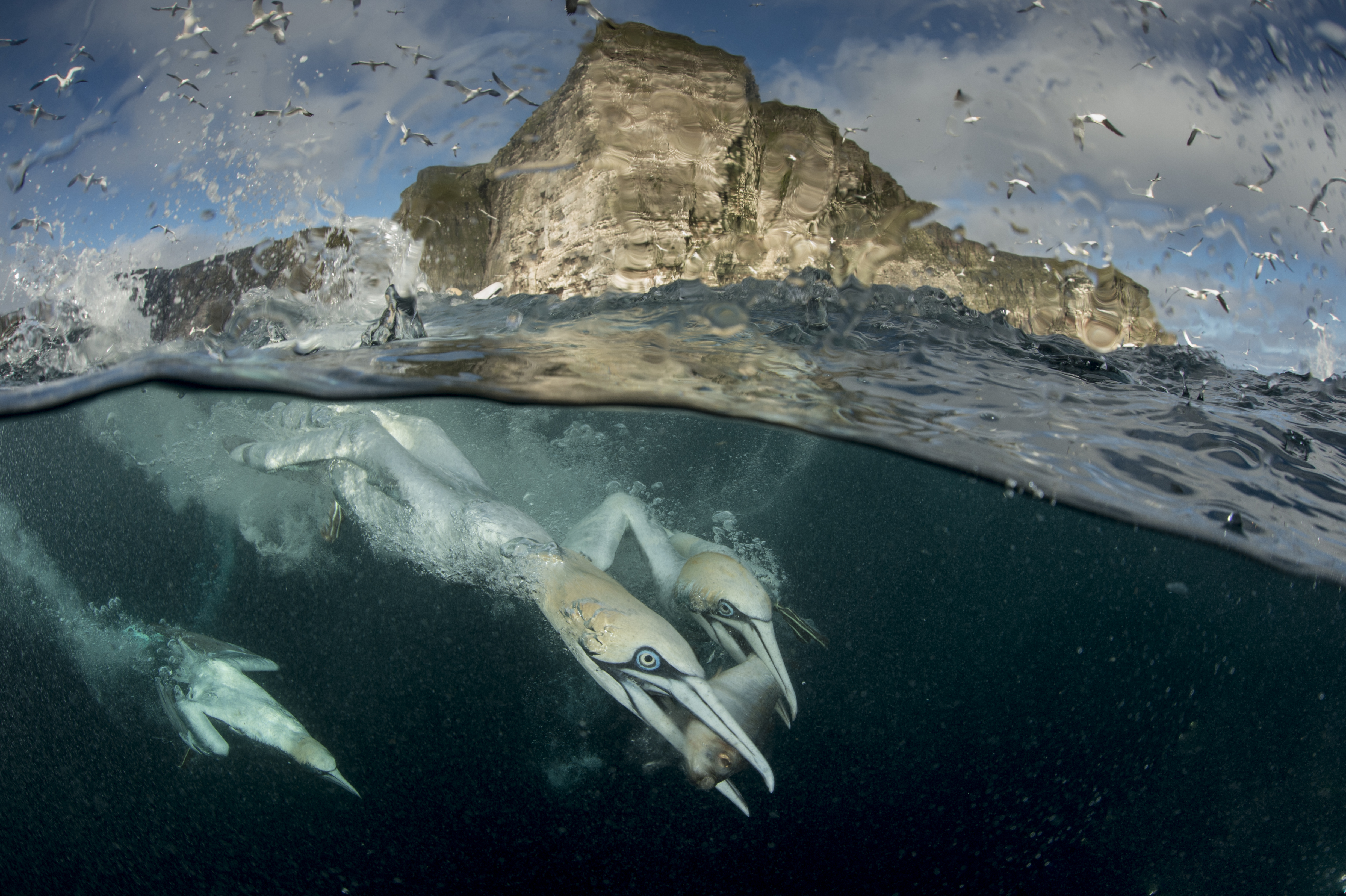
Berwick Bank has attracted significant opposition over its predicted impacts on seabird populations, with the development expected to kill over 4,000 birds including guillemots, gannets and kittiwakes in its first year alone. There are also concerns from communities and fishers, as well potential negative consequences for tourism and local economies.
With only 30% of expenditure from the construction of offshore wind turbines remaining in the UK, the vast majority of the economic benefits leak abroad. This means local communities miss out on vital supply chain jobs, says the report.
Crucially, Rewilding Britain’s new research finds that marine rewilding and offshore wind need not be competing objectives. While offshore wind developments can have significant ecological impacts, integrating marine restoration and rewilding into project design and planning from the outset could transform the sector into a catalyst for large-scale recovery of marine habitats and species, as well as coastal community and economic regeneration.
Read the full research report: Rewilding our waters in an era of offshore wind.
Press release distributed by Pressat on behalf of Rewilding Britain, on Wednesday 8 July, 2026. For more information subscribe and follow https://pressat.co.uk/
Climate Nature Rewilding Wildlife Wind Biodiversity Business & Finance Charities & non-profits Environment & Nature Farming & Animals Manufacturing, Engineering & Energy

You just read:
Offshore wind boom must not repeat mistakes of the past, report warns
News from this source: