Cost-Saving Shift to Social Prescribing Lacks Essential Safety Data for M.E.
This lack of data was highlighted during the 2021 NICE guideline review and remains unaddressed in 2026.
SOUTHSEA, UK – As the UK government accelerates its national transition toward non-pharmacological treatments (NPTs) and social prescribing in 2026, social enterprise ME Foggy Dog is highlighting a critical lack of oversight regarding patient safety. While these community-based interventions are being promoted as a "personalised care" solution, the organisation warns that the shift is primarily driven by cost-saving measures rather than clinical safety data.
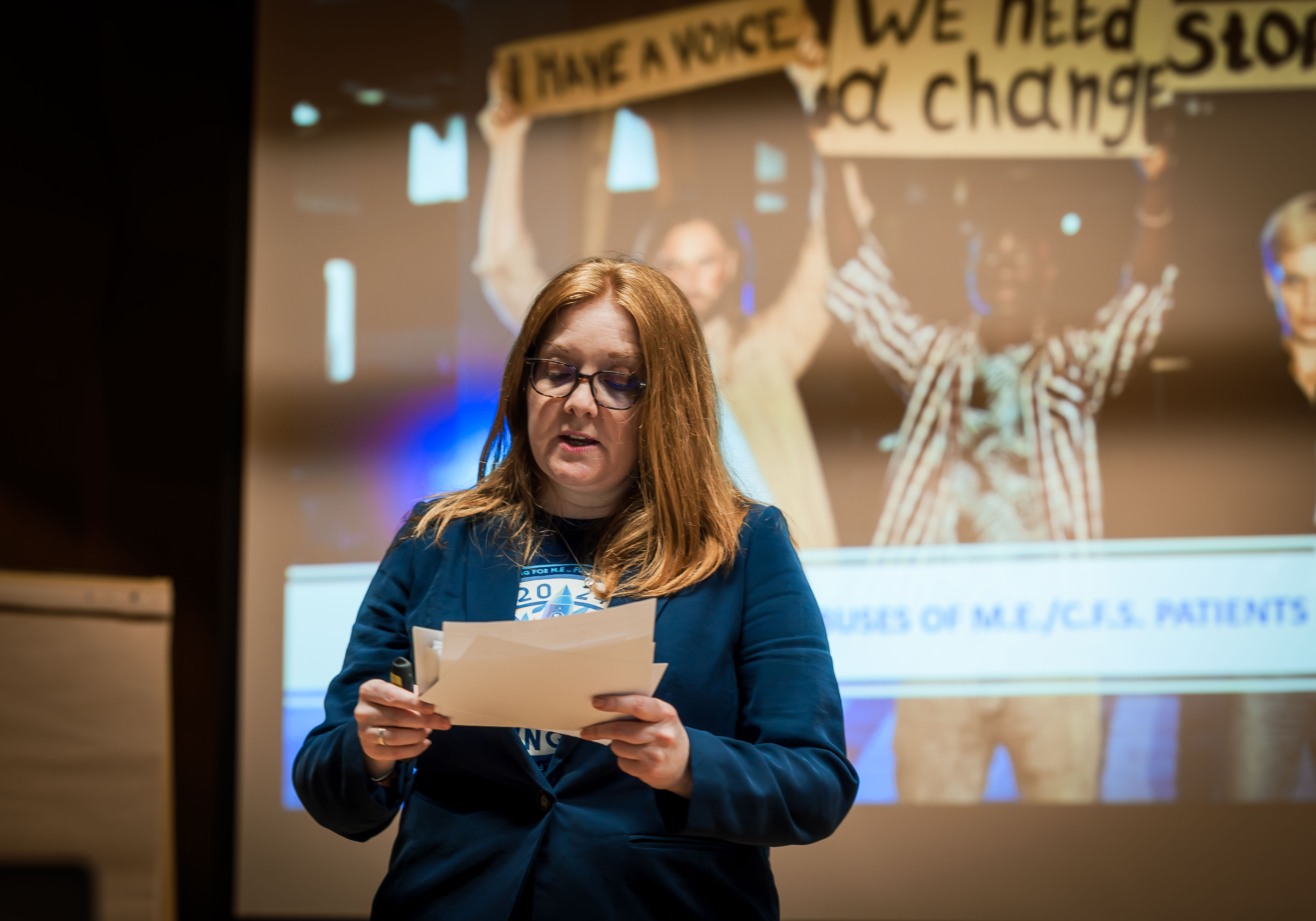
Since 2020, the UK has seen a surge in M.E. (Myalgic Encephalomyelitis), Long Covid, and other post-viral conditions. In response, the 2026 policy direction leans heavily on "low-cost" alternatives to biomedical research and pharmaceutical interventions. However, ME Foggy Dog argues that this financial strategy overlooks the biological reality of energy-limiting conditions. "NPTs are being scaled nationally because they are inexpensive, not because they have been proven safe for the M.E. community," says Sally Callow, Founder of ME Foggy Dog. "Biomedical research and specialist care require significant investment, but diverting patients toward community activities without clinical safeguards is a false economy that risks long-term health deterioration."
Despite the rapid rollout of social prescribing, there remains no mandatory training for link workers or community providers regarding Post-Exertional Malaise (PEM), the core symptom that makes many physical or mental activities potentially harmful for M.E. patients. Crucially, while patients have reported health setbacks through PALS and individual NHS clinics, there is still no national system to centrally record harms caused by non-medical interventions. This lack of data was highlighted during the 2021 NICE guideline review and remains unaddressed in 2026.
Through the Shake It Up campaign, ME Foggy Dog is calling for:
- National transparency: The urgent creation of a national harm-reporting system to track the impact of NPTs.
- Evidence-based policy: An end to ill-informed policymaking, ensuring that any expansion of social prescribing is informed by recorded patient outcomes.
"We are at a critical moment where policy is being built without a safety net," Callow continues. "If the government wants to expand these programmes, it must commit to tracking the consequences. We need influence, policy insight, and amplification to ensure the M.E. community is protected, not sidelined by budget-driven decisions."
Press release distributed by Pressat on behalf of ME Foggy Dog, on Monday 19 January, 2026. For more information subscribe and follow https://pressat.co.uk/
Health ME/CFS DHSC Social Prescribing Safety Data NHS Charities & non-profits Government Health Medical & Pharmaceutical


You just read:
Cost-Saving Shift to Social Prescribing Lacks Essential Safety Data for M.E.
News from this source: