Charity challenges Industry Silence on Cruel Coffee Trade
or too long, the coffee industry has prided itself on ethical sourcing and sustainability while completely ignoring the brutal reality of civet coffee
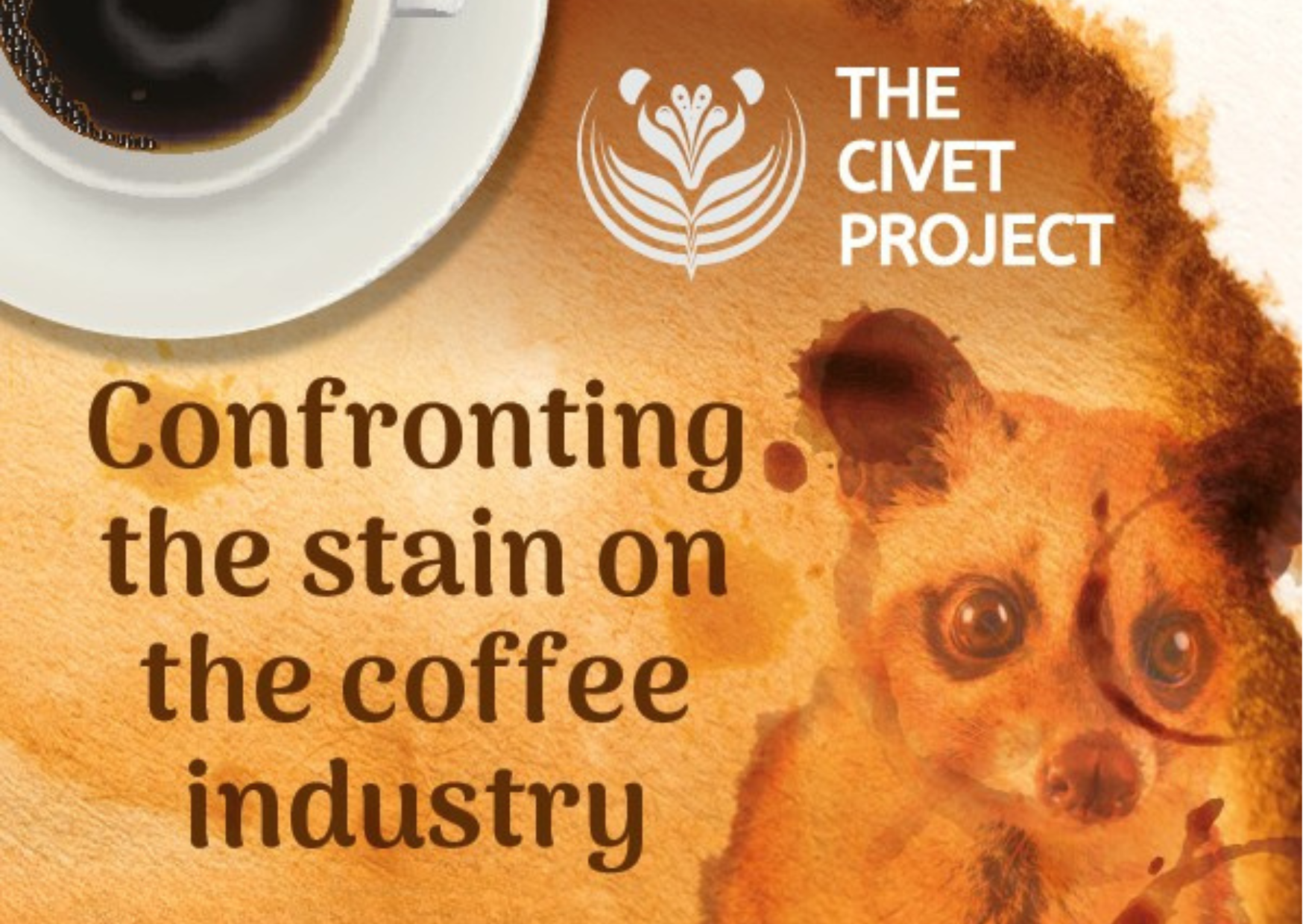
The Civet Project Launches the “Civet-Free; Confronting the stain on the coffee industry” Campaign at London Coffee Festival, Challenging Industry Silence on Cruel Coffee Trade and are calling on consumers to urge eBay, Amazon and Etsy to ban the sale of civet coffee on their platforms after widespread policy breach.
London, UK, 12th May. The global coffee industry can no longer turn a blind eye to the profound animal suffering brewing in its supply chain. Following their eye-opening investigative e-commerce report and documentary, The Civet Project Foundation calls on coffee companies around the world to actively discredit and reject civet coffee. Taking their "Civet-Free" campaign directly to the industry, the charity will be exhibiting at the upcoming London Coffee Festival (May 14–17, 2026, at The Truman Brewery, Stand M10) to confront a glaring ethical blind spot in the specialty coffee world.
The Civet Project is a UK registered charity, fighting to protect civets, small nocturnal carnivores native to Africa and Asia, through research, education and collaboration. They recently launched their “Civet-Free” campaign, alongside an investigative e-commerce report wherein they exposed the concerning scale of fraudulent civet coffee on Amazon, eBay and Etsy. From this, they are now directly asking coffee companies to actively acknowledge civet coffee's “stain” on the industry, and its glaringly questionable ethics.
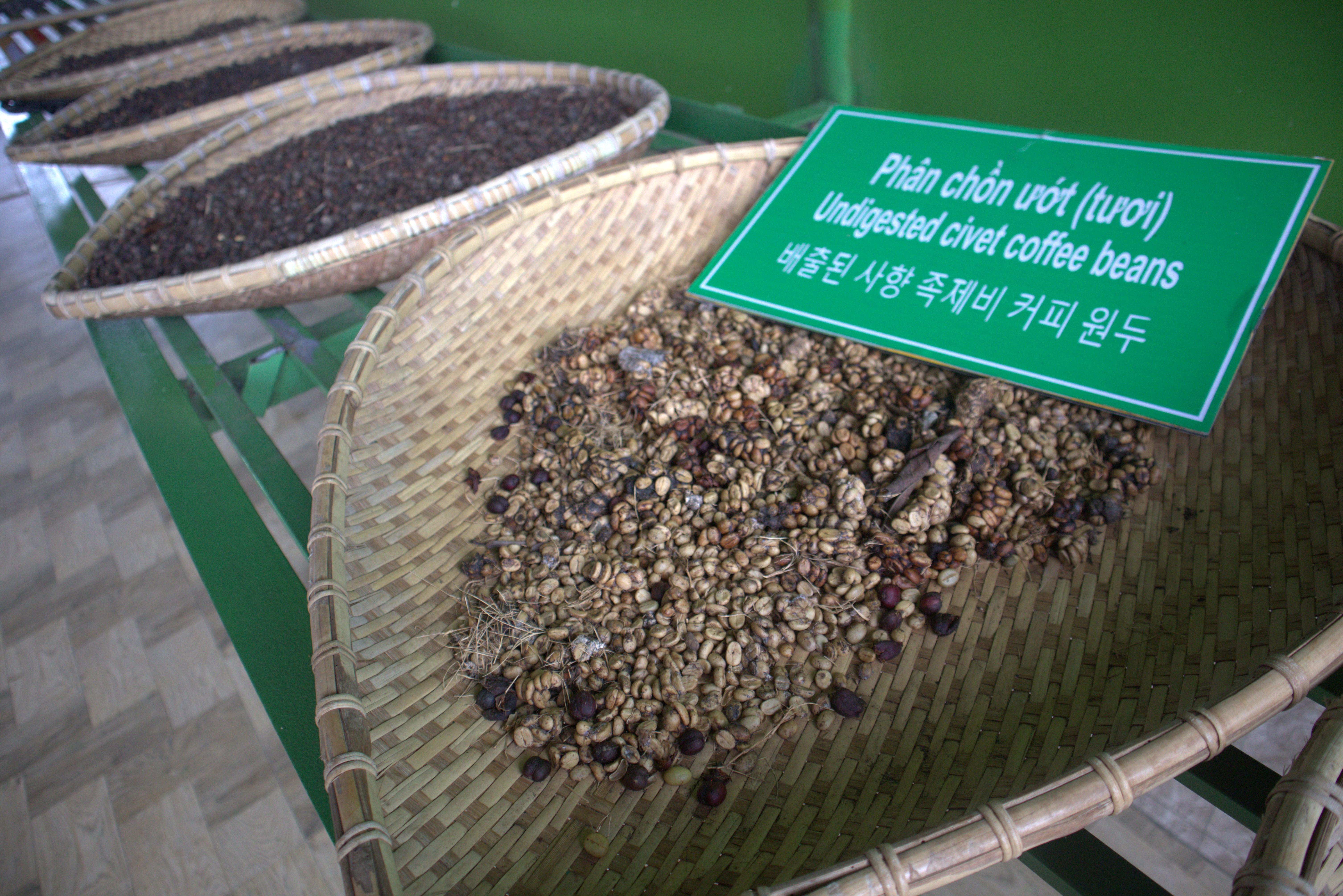
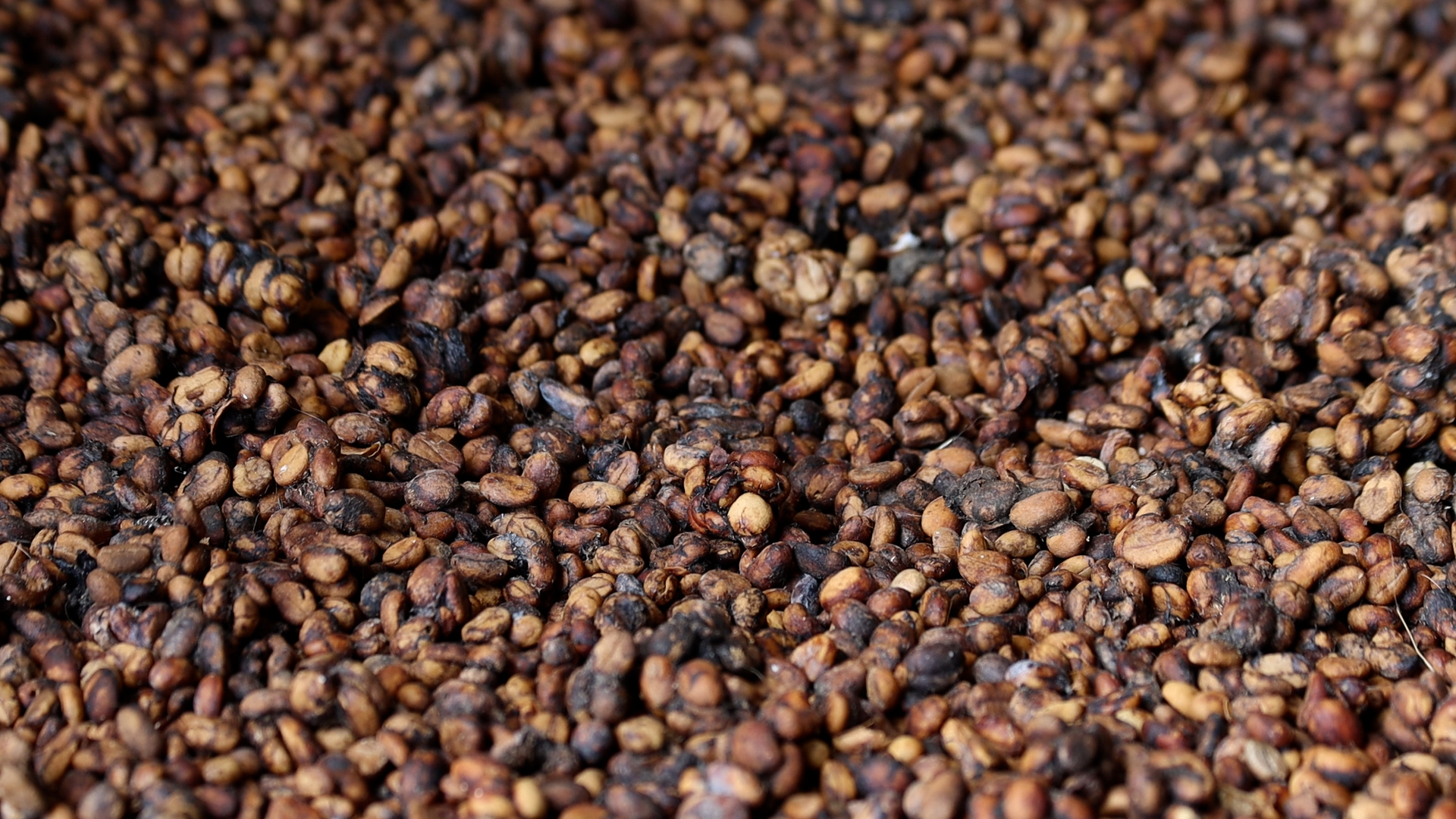
Civet coffee, or “kopi luwak”, is marketed as a luxury product made from coffee beans that have passed through the digestive tract of Asian Palm civets, small nocturnal mammals native to Southeast Asia. Once hailed as the rarest and most expensive coffee in the world, with some cups priced as high as £50, civet coffee is now widely sold online for as little as £15 per packet.
Findings
This campaign is driven by the alarming findings of their e-commerce report on Amazon, eBay and Etsy, which exposed the following;
- Civet coffee products were marketed with consumer assurances such as “100% wild collected”, “high welfare” and “certified cage-free” alongside named “certifiers”. Civet civet coffee products that claimed certification from named organisations for being 'wild collected' or 'cage-free', were all either fraudulent or untraceable.
- Additionally, sellers falsely claimed certification from organisations such as WWF, Rainforest Alliance, and World Animal Protection, all of whom confirmed no affiliation with civet coffee.
- All 543 claims of ethical sourcing or animal welfare standards were found to be fraudulent or untraceable
- These misleading practices violate UK consumer protection laws, including the CMA Green Code and the Digital Markets, Competition and Consumers Act 2024
- The consumer standards, animal welfare, environmental and sustainability issues associated with civet coffee products actively breach seven platform policies employed by Ebay, Amazon and Etsy.
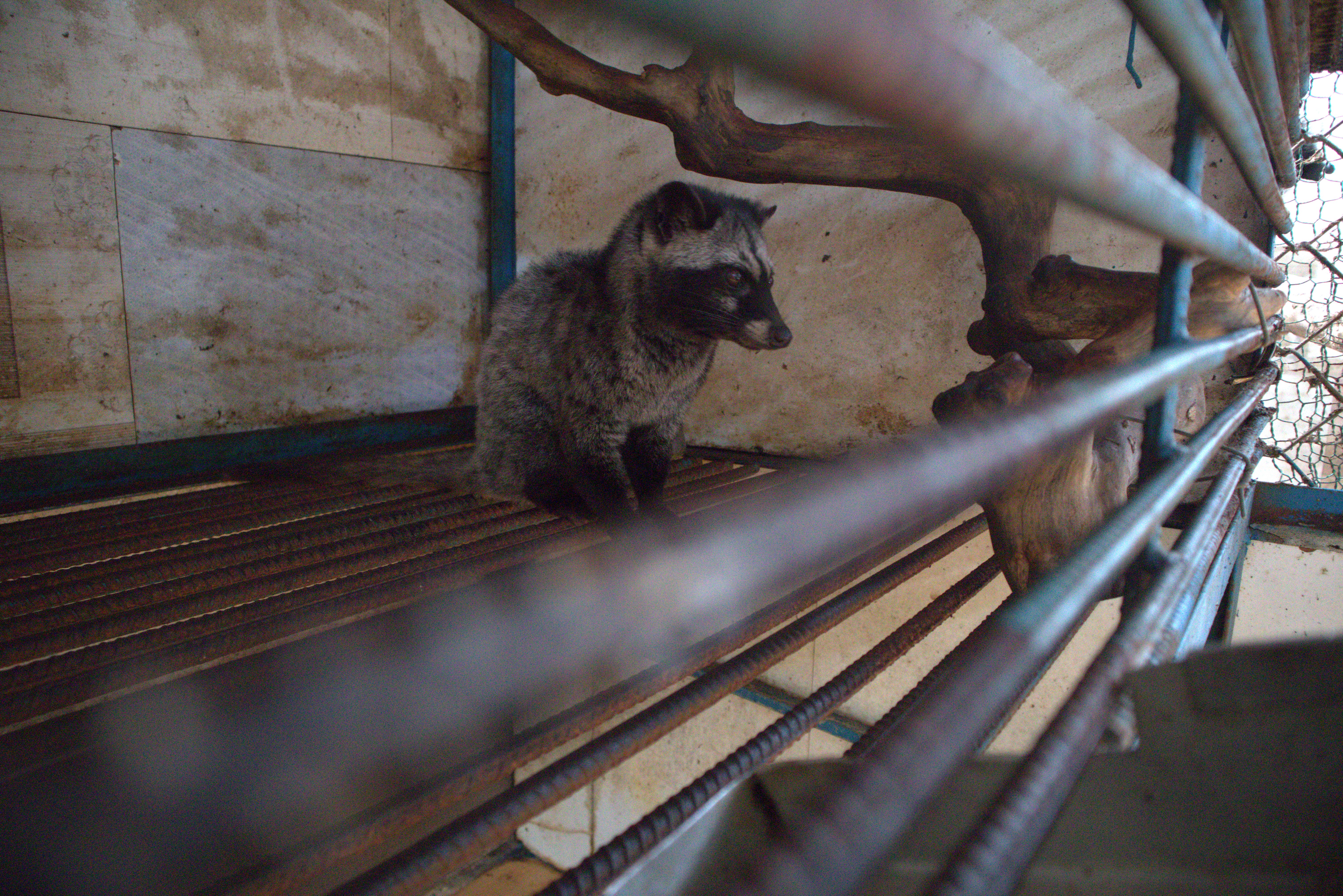
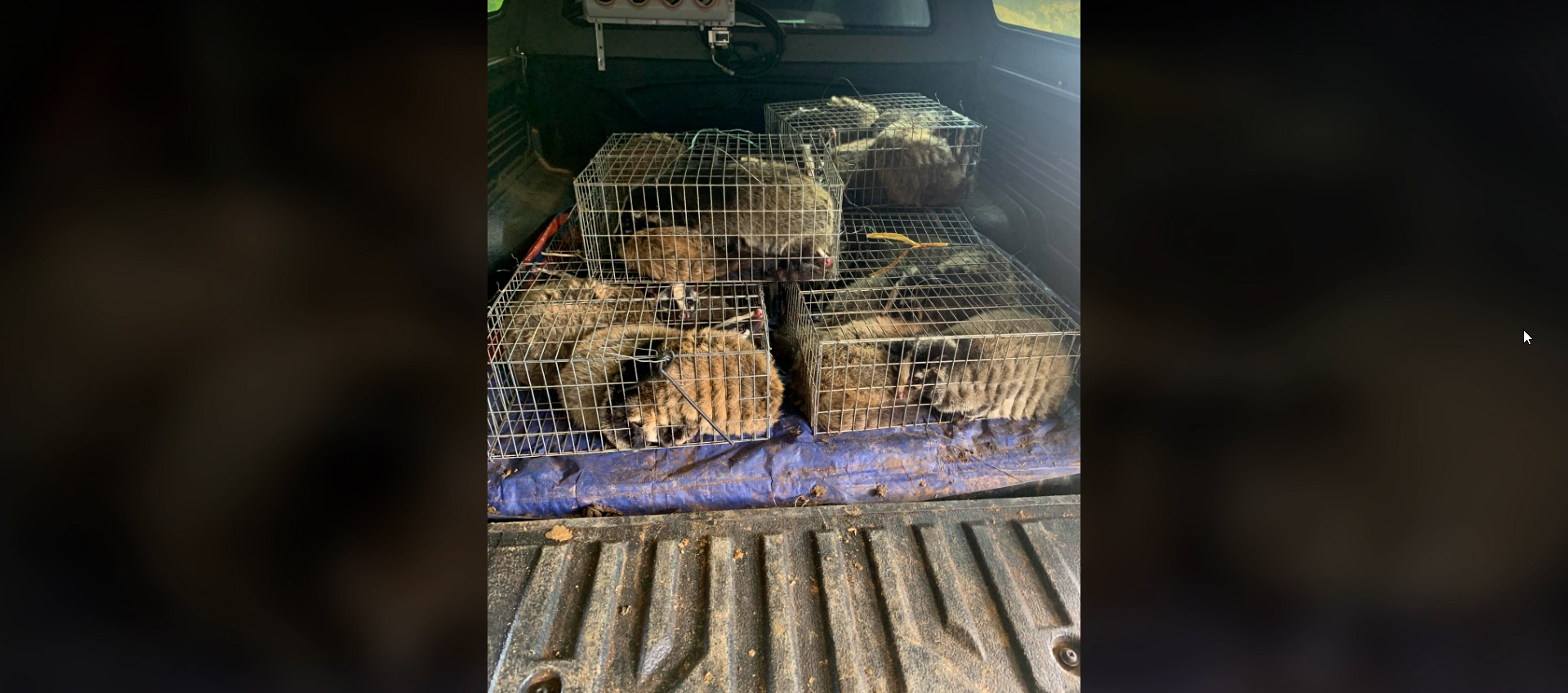
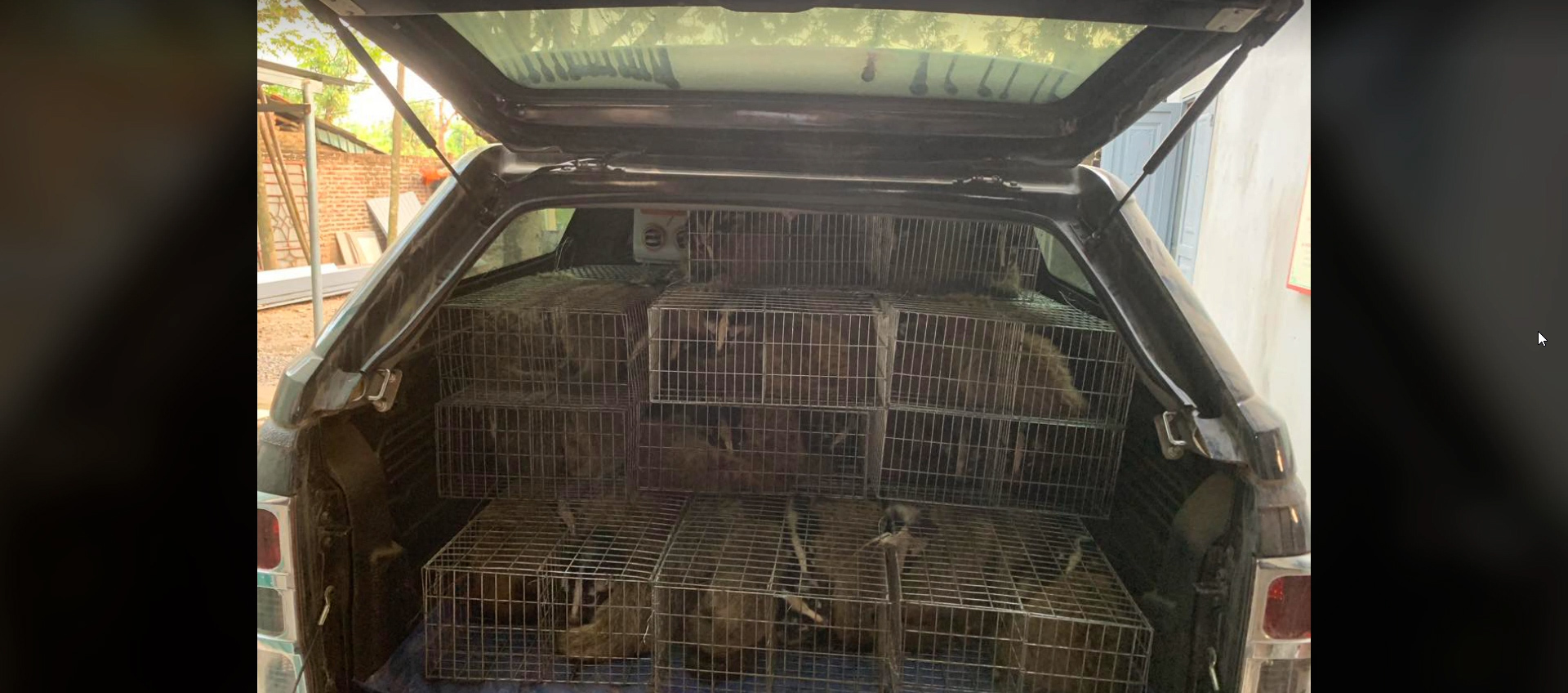
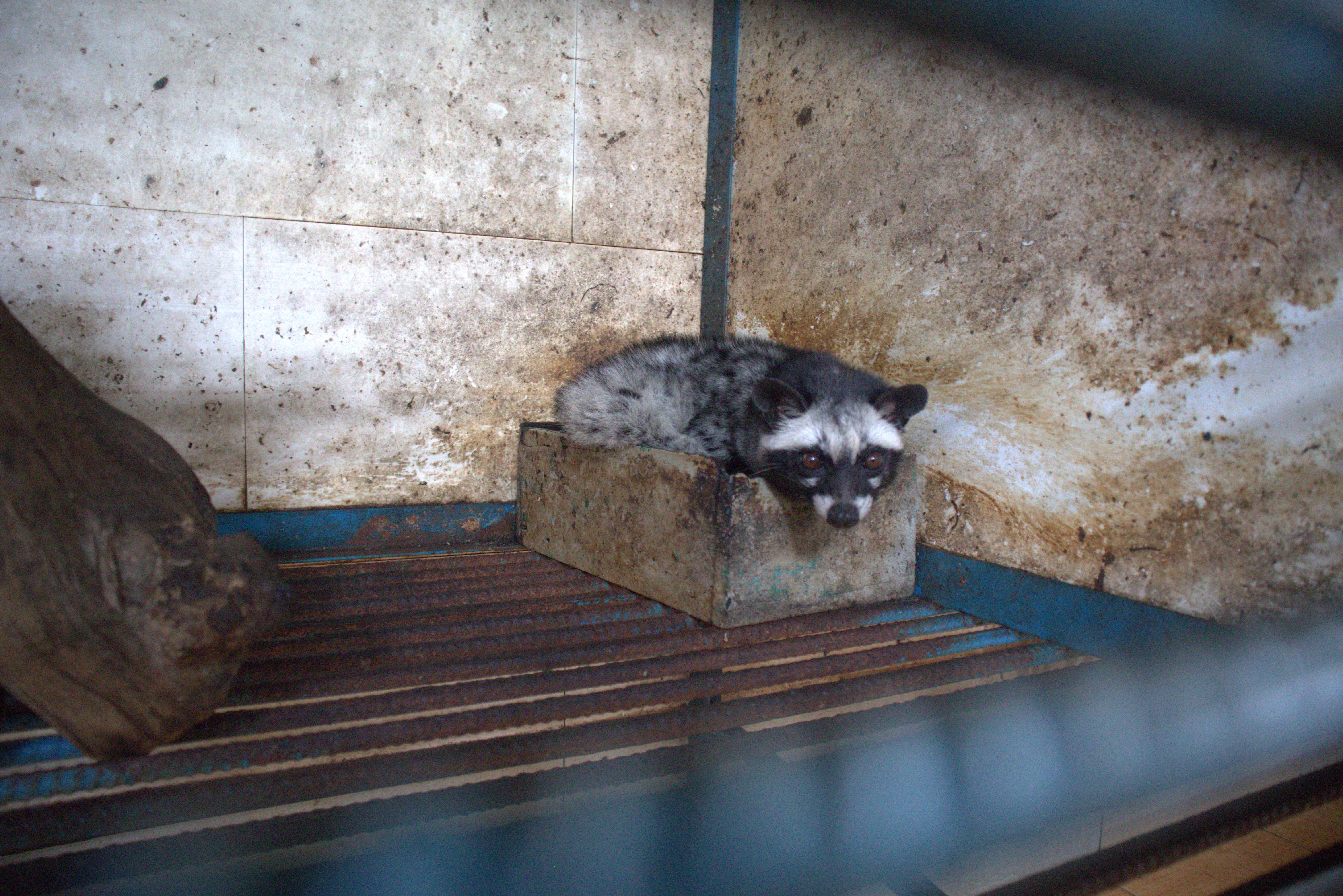
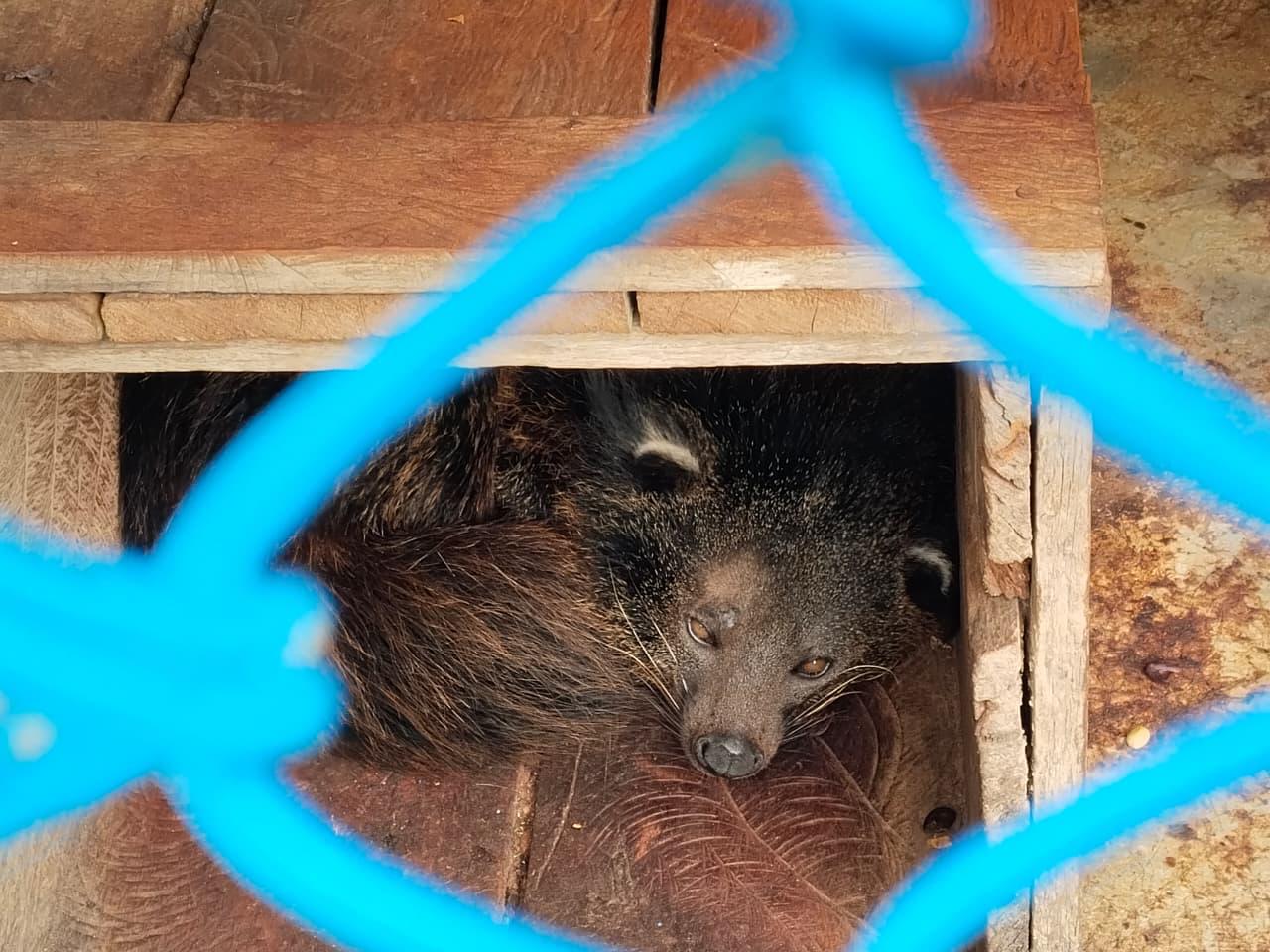
By selling civet coffee with fraudulent animal welfare claims, sellers and platforms exploit consumer interest in animal welfare. False welfare assurances deceive consumers into purchasing products that are reliant on animal suffering. Their investigative documentary, “Civet Coffee; From Rare to Reckless” also exposed the physical realities of civets caught up in the trade, with horrific welfare conditions including small wire cages, consumer deception and the wider ramifications of disease spread and the snaring crisis.
Quote:
Dr Jes Hooper, CEO of The Civet Project: “For too long, the coffee industry has prided itself on ethical sourcing and sustainability while completely ignoring the brutal reality of civet coffee. By not acknowledging how these products are a stain upon the industry, they allow it to continue with its “luxury specialty coffee” reputation. It is our hope that our campaign will lead to greater action within the coffee industry itself”
Call to action
The Civet Project is directly calling on all coffee companies, big and small, to publicly cut ties with the civet coffee industry and pledge to be a “Civet-Free” company. This action is vital to shutting down a cruel, unethical and dangerous industry that risks not only civets themselves, but threatens disease outbreak and worsens the biodiversity crisis.
The Civet Project has also called on consumers to speak up for their consumer rights and sign the petition to demand that eBay, Amazon and Etsy ban the sale of civet coffee across their platforms due to its widespread policy breach and un-certifiable nature.
Summary
The Civet Project Foundation has fully exposed the truth of the civet coffee industry, in terms of its horrific welfare conditions and fraudulent and unethical practices. By partnering with coffee companies to actively, and publicly, discredit civet coffee products they can look towards a more ethical and sustainable future for the coffee industry as a whole. If you have a coffee company and want to be “Civet-Free”, reach out to The Civet Project or find them at the London Coffee Festival on the 14th-17th of May.
ENDS
Press release distributed by Pressat on behalf of The Civet Project Foundation, on Tuesday 12 May, 2026. For more information subscribe and follow https://pressat.co.uk/
Civet Coffee Cat-Poo-Chino Kopi Luwak Speciality Coffee Consumer Ethics Animal Welfare Wildlife Conservation Charities & non-profits Farming & Animals Food & Drink
Published By

07580117965
[email protected]
https://www.thecivetproject.com/
Jes Hooper, CEO: [email protected]
Zak Showell: Chair: [email protected]
Visit Newsroom

You just read:
Charity challenges Industry Silence on Cruel Coffee Trade
News from this source: