
Lynx: communities in Highland and Moray invited to discuss reintroduction
Reintroducing lynx could help restore balance and breathe new life into Highland and Moray landscapes
A wide-ranging community and stakeholder discussion on the potential reintroduction of lynx to northern Scotland is being launched this month by the Lynx to Scotland partnership.
Dozens of events in Highland and Moray will offer information and gather local views on the benefits and concerns that would come with the species’ return.
Lynx to Scotland is a partnership between charities SCOTLAND: The Big Picture, Trees for Life, and The Lifescape Project. Since 2020 it has been assessing whether and how lynx could return to the Highlands through a carefully managed reintroduction process.
The partnership says a reintroduction needs to be broadly accepted, scientifically monitored and carefully planned, with an effective management framework. A licence would be required from NatureScot, following habitat assessments and thorough public engagement.
“Northern Scotland can support a thriving population of lynx, but social acceptance is just as important – so we are exploring in detail how people feel about bringing back this important missing native species,” said Steve Micklewright, chief executive of Trees for Life.
The region contains some of Scotland’s best lynx habitat, with enough woodland and wild prey to support up to 250 of the cats, according to studies.
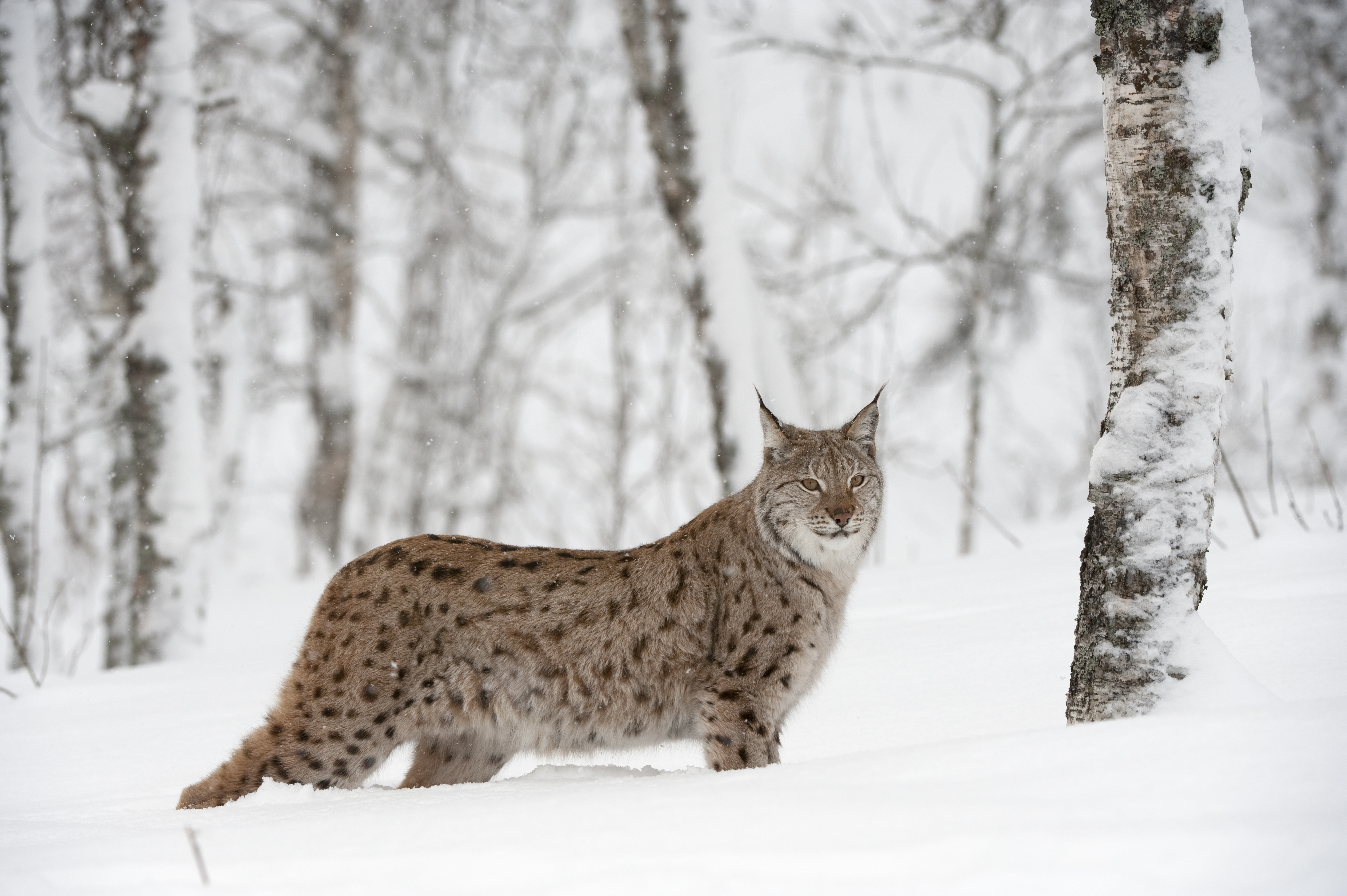
Elusive and no threat to people, the labrador-sized, forest-dwelling lynx preys on deer, and is a key species which plays a vital role in maintaining healthy ecosystems.
The charities say a reintroduction could bring significant benefits for biodiversity, landscapes, communities and businesses – including by helping to manage deer numbers, and through tourism – and potential unwanted impacts that could be carefully managed.
Any reintroduction would begin with a small number of lynx, with up to 20 in total being released gradually over several years. Long-term monitoring via tracking collars and camera traps would be key, to track any negative impacts such as sheep predation, alongside benefits such as gains for biodiversity and tourism revenue.
"Scotland has lost more of its native wildlife than almost any other country. Reintroducing lynx could help restore balance and breathe new life into Highland and Moray landscapes, but it would be essential to do this in a considered, responsible way that addresses questions and concerns,” said SCOTLAND: The Big Picture’s chief executive, Lisa Chilton.
Scotland is one of only a few countries in the lynx’s natural range where the cat is still missing. Hunting and habitat loss are believed to have driven lynx to extinction in the country several hundred years ago.
A Lynx to Scotland study in 2021 into the social feasibility of a reintroduction involved 129 meetings with stakeholders. It found a range of views but an appetite to learn more.
This led to a National Lynx Discussion being held throughout 2024, which saw conclusions and recommendations agreed between 53 cross-sector stakeholders including farmer and landowner organisations, gamekeepers, foresters, tourism operators and conservationists.
A subsequent 100-page report provided the most detailed analysis yet of what a Scottish lynx reintroduction project would need to do to ensure lynx and people could coexist.
Lynx to Scotland is now inviting local people, organisations and land managers – including livestock farmers, foresters, gamekeepers and deer stalkers – to share their views and help design the management frameworks that would minimise unwanted impacts and maximise the benefits of a reintroduction.
“We are keen to hear from the people living and working in the regions where lynx could one day be reintroduced. Their views will help shape how a reintroduction might be managed, if it were to go ahead,” said Adam Eagle, Lifescape’s chief executive.
Details of all the public events are being mailed to 89,000 households across 37 postcodes, ahead of the first public information sessions on 26 January 2026.
The public events will run for a month, with 42 sessions at 21 locations featuring an exhibition, opportunities to chat with staff and ask questions, and a questionnaire. In the spring, there will be further opportunities for individual discussions, and meetings between organisations.
For more information and for details of the information sessions, see lynxtoscotland.org.
Ends
Press release distributed by Pressat on behalf of Trees for Life, on Tuesday 6 January, 2026. For more information subscribe and follow https://pressat.co.uk/
Lynx Wildlife Scotland Conservation Highlands Rewilding Nature Biodiversity Climate Charities & non-profits Environment & Nature Farming & Animals

You just read:
Lynx: communities in Highland and Moray invited to discuss reintroduction
News from this source: