
Dover mum’s fundraising helps launch major new childhood leukaemia research projects
"If this research can spare even one family the pain we’ve experienced, it will mean everything.”
A Dover mum’s fundraising in memory of her 9-year-old son who died from leukaemia has helped leading cancer charities fund new research into the disease.
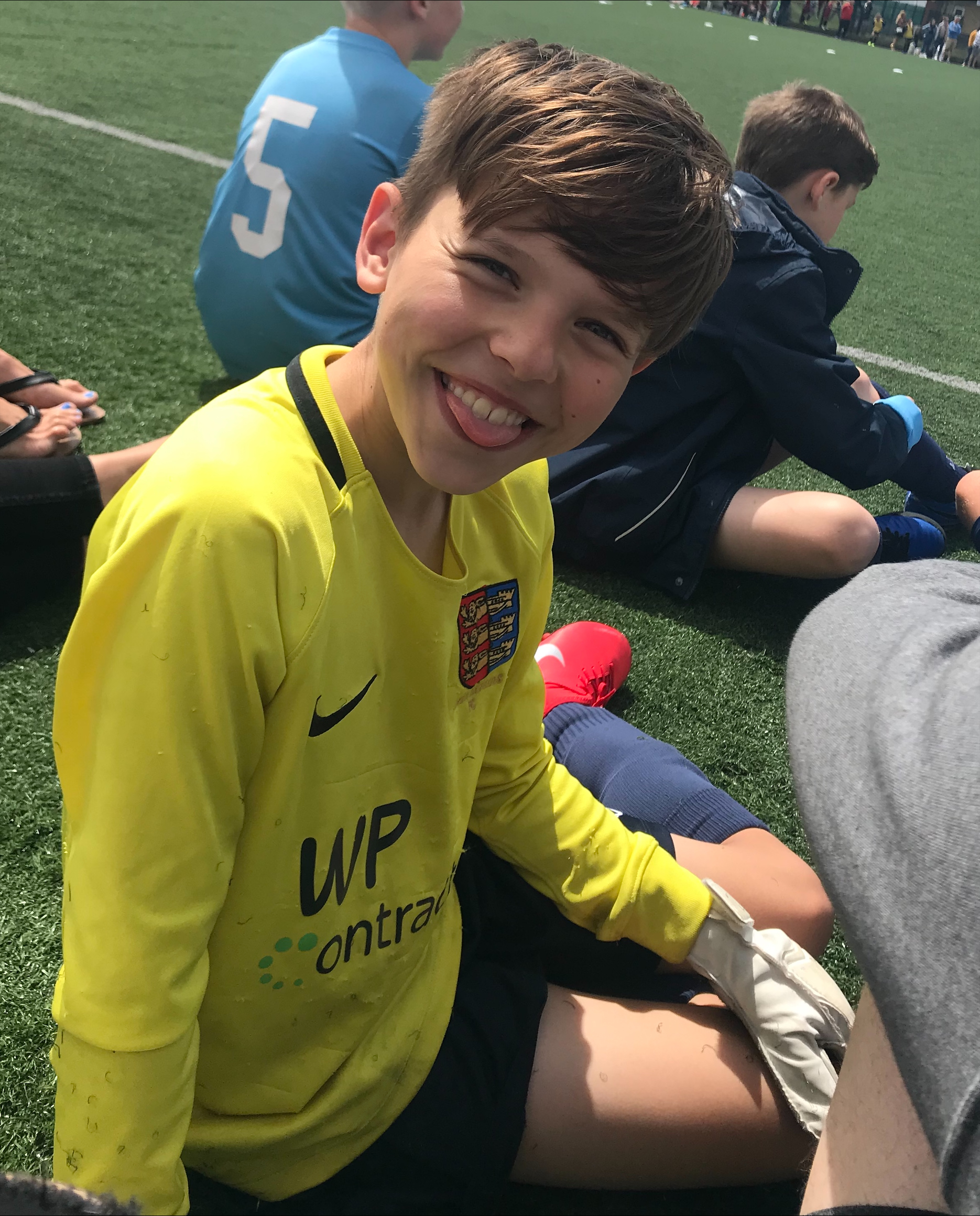
Josh Harber tragically died just two days after being diagnosed with acute myeloid leukaemia (AML) in 2019. Shockingly, Josh had been a healthy, active child only days before his diagnosis and loved playing football. Since losing their son, Josh’s family have raised over £30k for research through Josh’s Gold Star Fund, a Special Named Fund at CCLG: The Children & Young People’s Cancer Association.
Josh’s mum Danielle, said: “Josh was football-mad and lived and breathed the game, but what everyone remembers most is his smile – so constant that he was lovingly nicknamed ‘Smiler.’ He could light up a room just by walking into it.
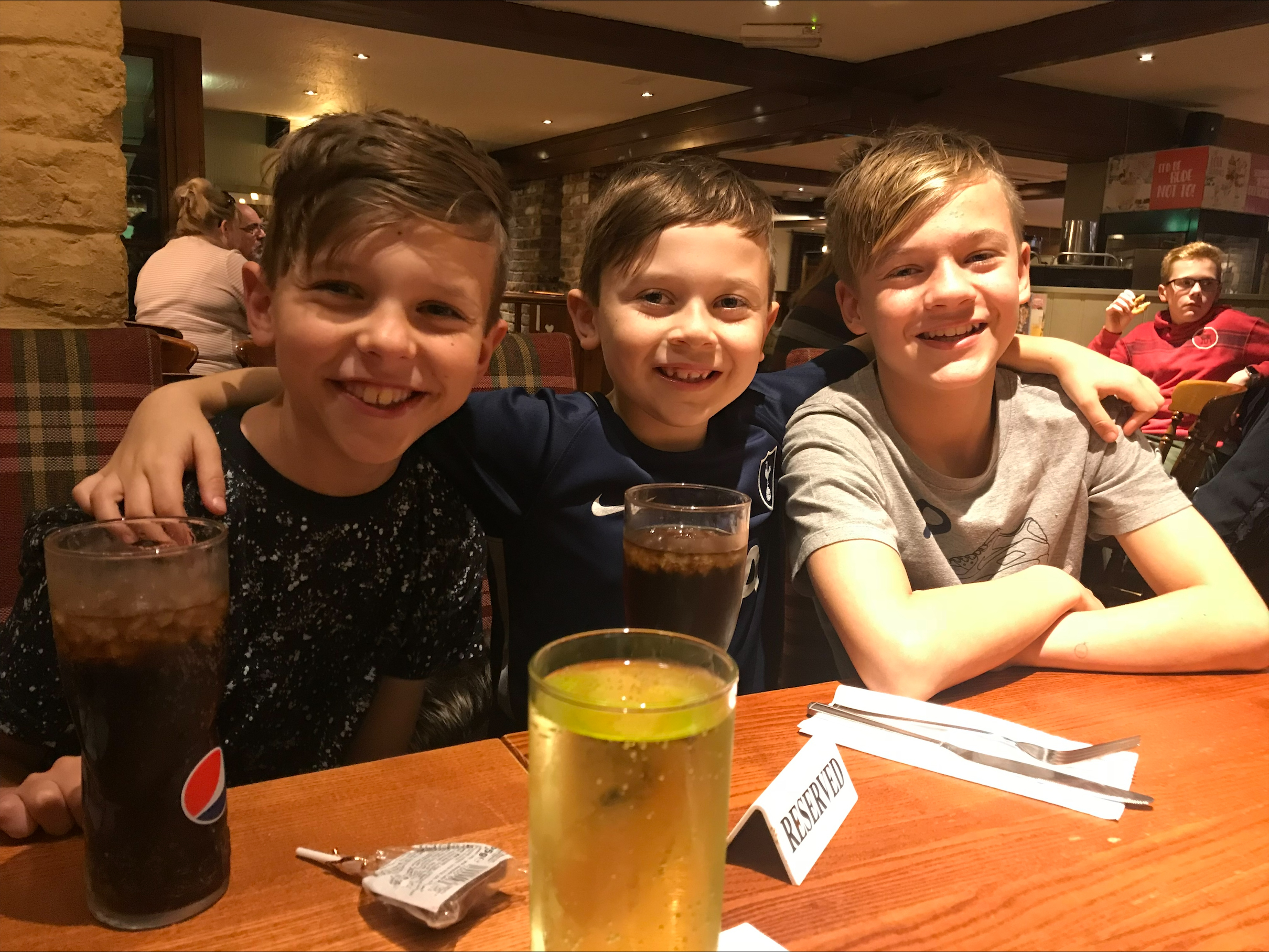
“More than anything, he was an amazing son and brother, and he is missed beyond words.
“Josh’s experience with AML changed our family forever. The speed and severity of his illness opened our eyes to how vulnerable children with cancer are, and how desperately more research, funding, and support are needed. We chose to fundraise in Josh’s name to honour his life and to help create a future where other families don’t have to endure the same heartbreak.”
Now, alongside other CCLG Special Named Fund families, Danielle’s fundraising has contributed to a £600,000 research-funding collaboration between CCLG and Blood Cancer UK, launching two pioneering research projects.
The projects, based at the University of Edinburgh and the University of Glasgow, aim to tackle some of the biggest challenges in childhood blood cancer, developing safer and more effective treatments for babies with leukaemia and children with acute myeloid leukaemia (AML).
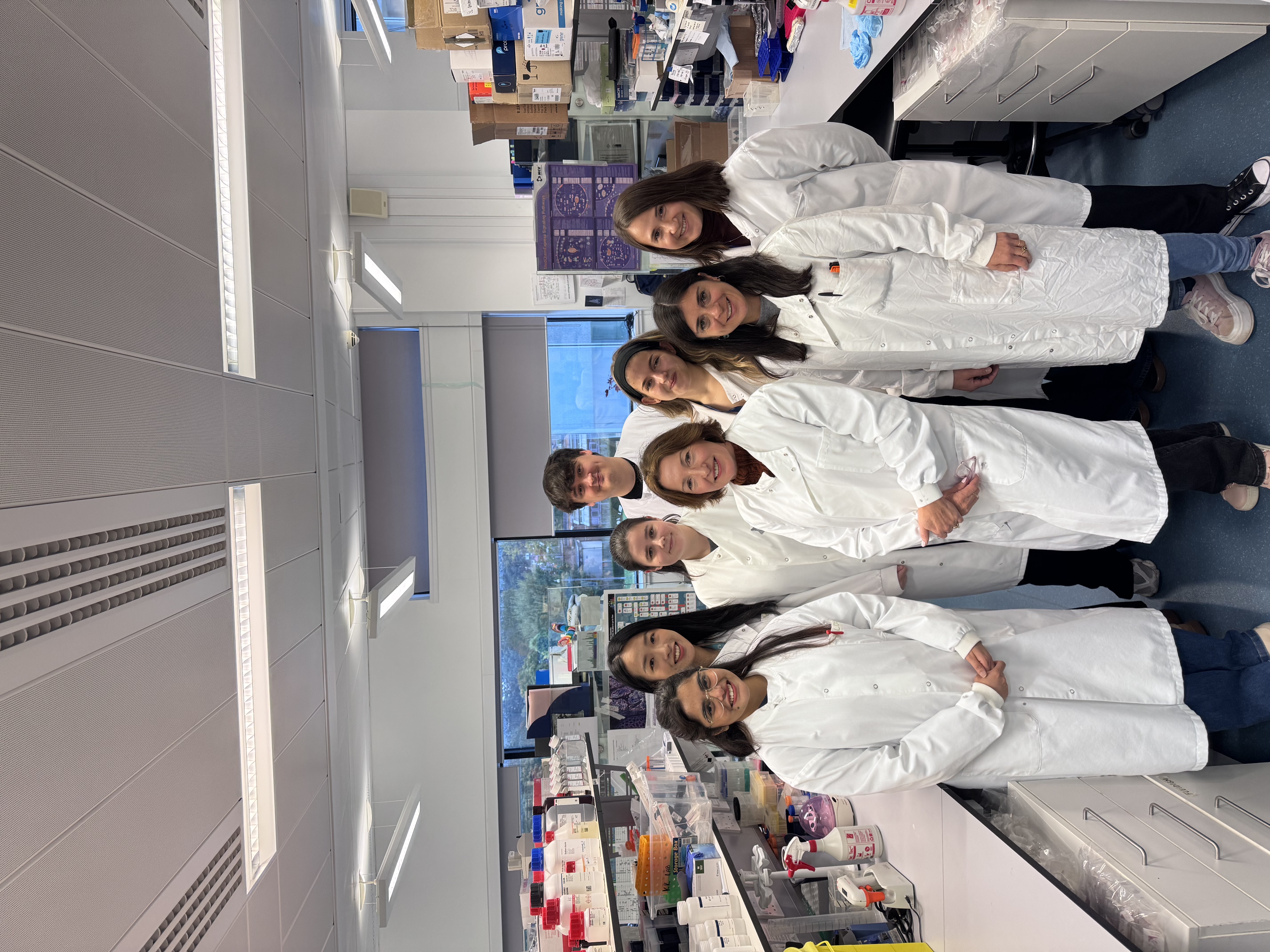
The joint funding from Blood Cancer UK and CCLG will allow Dr Karen Keeshan at the University of Glasgow, to lead a project focused on AML, an aggressive blood cancer affecting around 100 children and young people in the UK each year. Dr Keeshan’s research will investigate a protein found on the surface of AML cells that is linked to more aggressive disease and treatment resistance but is not present on healthy blood stem cells.
Dr Keeshan said: “For many children with AML, current treatments are simply not good enough. This project is about taking a clear biological signal we see in aggressive disease and testing whether we can turn it into a more precise, less toxic way of treating children whose cancer doesn’t respond well to standard therapies.”
Meanwhile, Dr Samanta Mariani at the University of Edinburgh aims to better understand why leukaemia in babies under one year of age is so difficult to treat. This is rare but extremely aggressive, and sadly only around half of babies diagnosed before their first birthday are successfully treated.
Dr Mariani will study a type of immune cell called a macrophage, which recent adult studies suggest can be ‘reprogrammed’ by leukaemia cells to help the cancer survive and resist treatment. These so-called leukaemia-associated macrophages have never before been studied in babies with leukaemia.
Dr Mariani said: “Leukaemia in babies behaves very differently to the disease we see in older children and adults, but we still know surprisingly little about what’s driving it.
“By studying how immune cells interact with leukaemia in babies for the first time, we hope to uncover biological mechanisms that could be exploited to make existing treatments work better and reduce harm for these very young patients.”
Ashley Ball-Gamble, Chief Executive of CCLG, said:
“These projects have only been made possible thanks to the determination and fundraising of families who know first-hand the devastation caused by childhood cancer. Our Special Named Funds are driving forward research that could change outcomes for children in the future.”
Dr Richard Francis, Deputy Director of Research at Blood Cancer UK, added:
“Thanks to decades of research, survival from the most common form of childhood leukaemia has been transformed - from just one in ten children surviving in the 1960s to around nine in ten today. But for babies and children with aggressive forms of the disease, those gains have not been shared equally. Every child like Josh deserves the best possible chance of survival, and that’s why funding innovative research like this in Scotland is so vital. It’s only possible because of the determination of families and supporters who refuse to accept that current treatments are good enough.”
Josh’s mum Danielle said:
“For our family, funding these two research projects means that Josh’s story didn’t end with his passing. His fund is helping move research forward, and knowing that his name is attached to work that could one day save other children’s lives brings us comfort and purpose.
“Our hope is that these research projects lead to better, kinder treatments for children with AML and other childhood cancers - treatments that give families more time, more options, and better outcomes. If this research can spare even one family the pain we’ve experienced, it will mean everything.”
Press release distributed by Pressat on behalf of Children's Cancer and Leukaemia Group, on Tuesday 24 February, 2026. For more information subscribe and follow https://pressat.co.uk/
Leukaemia Cancer Research Childhood Cancer Blood Cancer Fundraising Dover Kent In Memory Charities & non-profits Children & Teenagers Health
Published By
03330507654
info@cclg.org.uk
https://www.cclg.org.uk/
Head of Engagement: Claire Shinfield claire.shinfield@cclg.org.uk
CEO: Ashley Gamble ashley.gamble@cclg.org.uk
Press and PR Executive: Sam Chambers sam.chambers@cclg.org.uk
Visit Newsroom

You just read:
Dover mum’s fundraising helps launch major new childhood leukaemia research projects
News from this source: