Three in Four Brits Don't Know What 'Cruelty-Free' Really Means, New Poll Reveals
Monday 3 August, 2026
Naturewatch Foundation says shoppers deserve clearer cruelty-free labelling
A new YouGov poll commissioned by Naturewatch Foundation has revealed widespread confusion over what "cruelty-free" really means, with 74% of UK adults saying they are unclear about the legal requirements for a product to be labelled "cruelty-free", raising concerns that millions of consumers could be unintentionally buying products that don't match their ethical values.
The polling was conducted in March 2026, before undercover footage released by Animals International and Animal Aid in April exposed animals being used in toxicity testing at UK laboratories. The footage showed dogs, rabbits, rats, pigs and primates subjected to procedures including forced intubation, prolonged restraint and chemical exposure, bringing renewed attention to the issue of animal testing
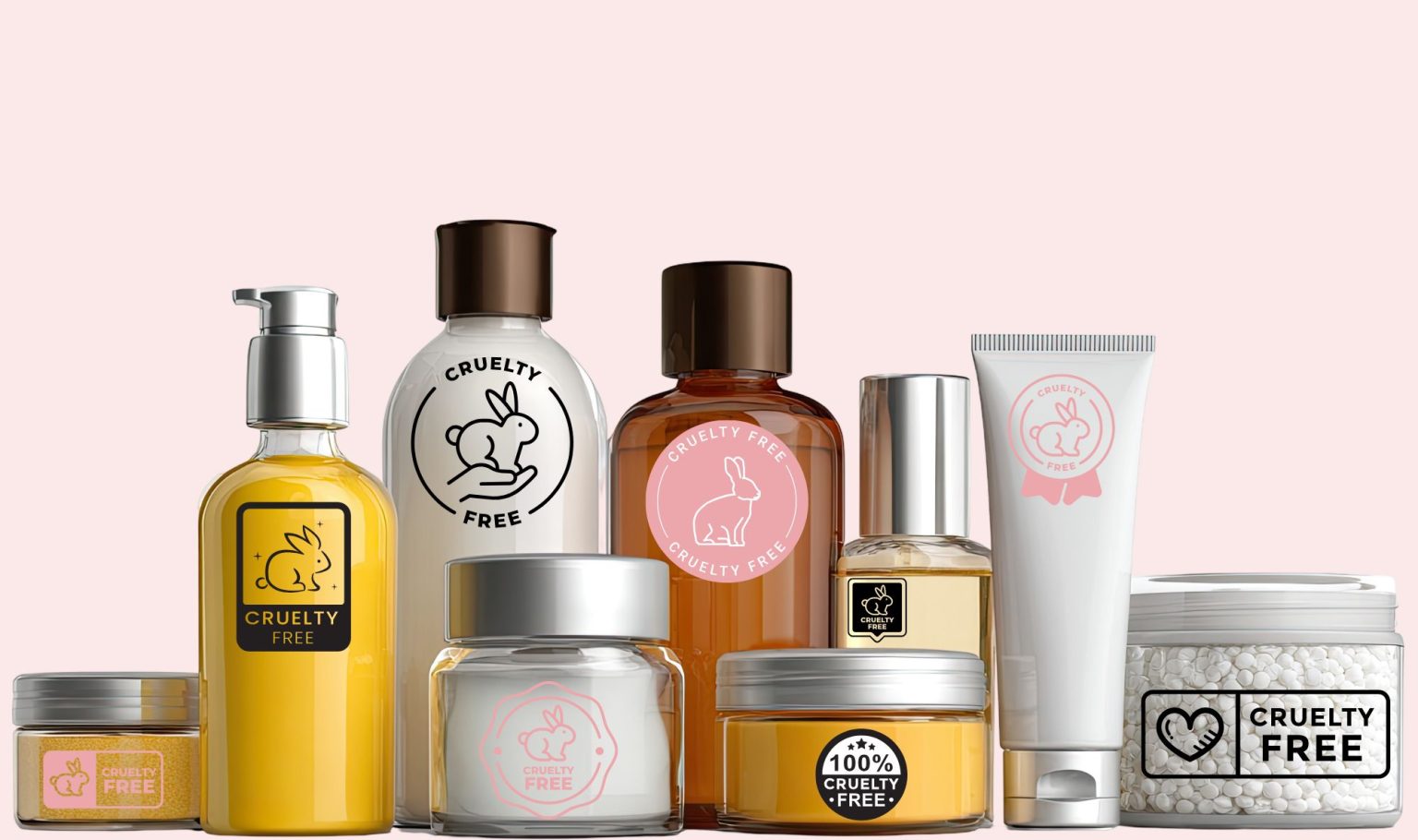
Brits confused by cruelty-free claims
As more people seek to avoid supporting animal testing through their purchases, Naturewatch Foundation's new YouGov poll suggests many are navigating a marketplace where cruelty-free claims are far from straightforward.
The survey found that 74% of UK adults are unclear what the legal requirements are for a product to be allowed to be labelled “cruelty-free”, suggesting most shoppers do not fully understand what these claims guarantee.
With multiple certification schemes, differing company policies and inconsistent marketing claims, consumers may believe they are making ethical choices when, in reality, products can still be linked to animal testing through ingredients, parent companies or international markets.
Public expects higher standards than the industry delivers
The research also found that the public have far stricter expectations than many existing cruelty-free claims require.
While 54% of respondents said a product could be described as cruelty-free if only the finished product had not been tested on animals, attitudes changed significantly when ingredients and corporate practices were considered.
The poll found:
- 76% believe if the finished product is not tested on animals, but products containing ingredients tested on animals may have been, the product should not be allowed to be labelled cruelty-free.
- 69% said products should not be allowed to be labelled ‘cruelty-free’ if the finished product is not tested on animals, but if any ingredients have been tested on animals due to legal requirements.
- 53% believe products should not be allowed to be labelled cruelty-free if the finished product is not tested on animals, but their parent company conducts animal testing elsewhere.
The findings suggest that most of the UK public expect cruelty-free products to be free from animal testing throughout the entire supply chain.
A widening gap
Naturewatch Foundation says the results highlight a widening gap between expectations and industry practices.
Many brands promote themselves as cruelty-free while being owned by companies that still conduct animal testing, selling in countries where testing is required by law, or using ingredients with links to animal testing.
This complexity makes it increasingly difficult for shoppers to know whether their purchases genuinely align with their values.
Helping consumers shop with confidence
To help consumers cut through confusing marketing claims, Naturewatch Foundation's Compassionate Shopping Guide independently assesses companies against strict ethical standards.
To be included, companies must:
- Have no ongoing ties to animal testing.
- Set a fixed cut-off date for any historical animal testing.
- Avoid markets where animal testing is legally required.
- Ensure neither their products nor ingredients are tested on animals.
As public awareness of animal testing continues to grow, Naturewatch Foundation believes consumers deserve clear, transparent information so they can make purchasing decisions with confidence.
Distributed by Pressat
 T. +44 (0)1242 252871